How Rapa Nui tatu was documented
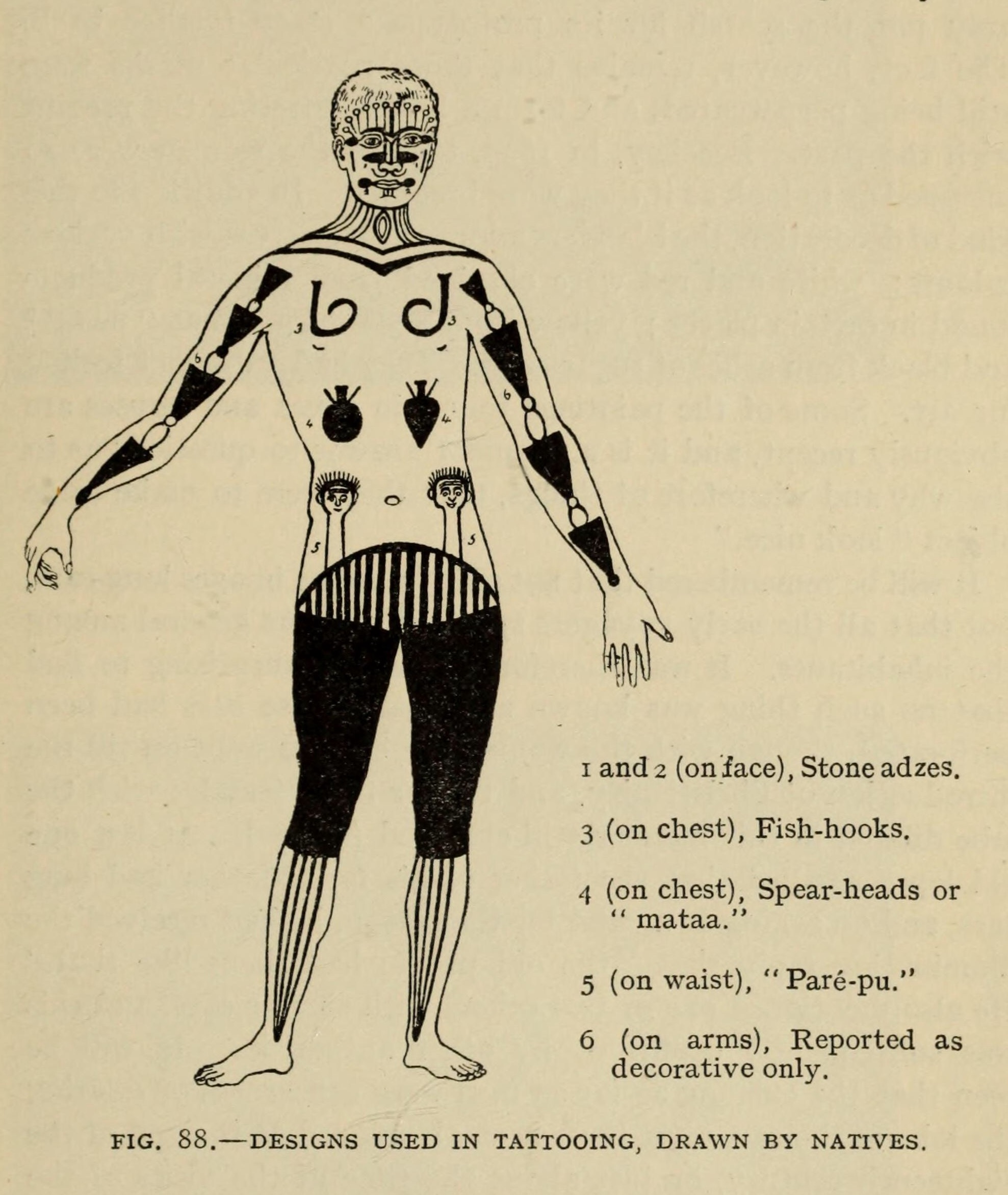
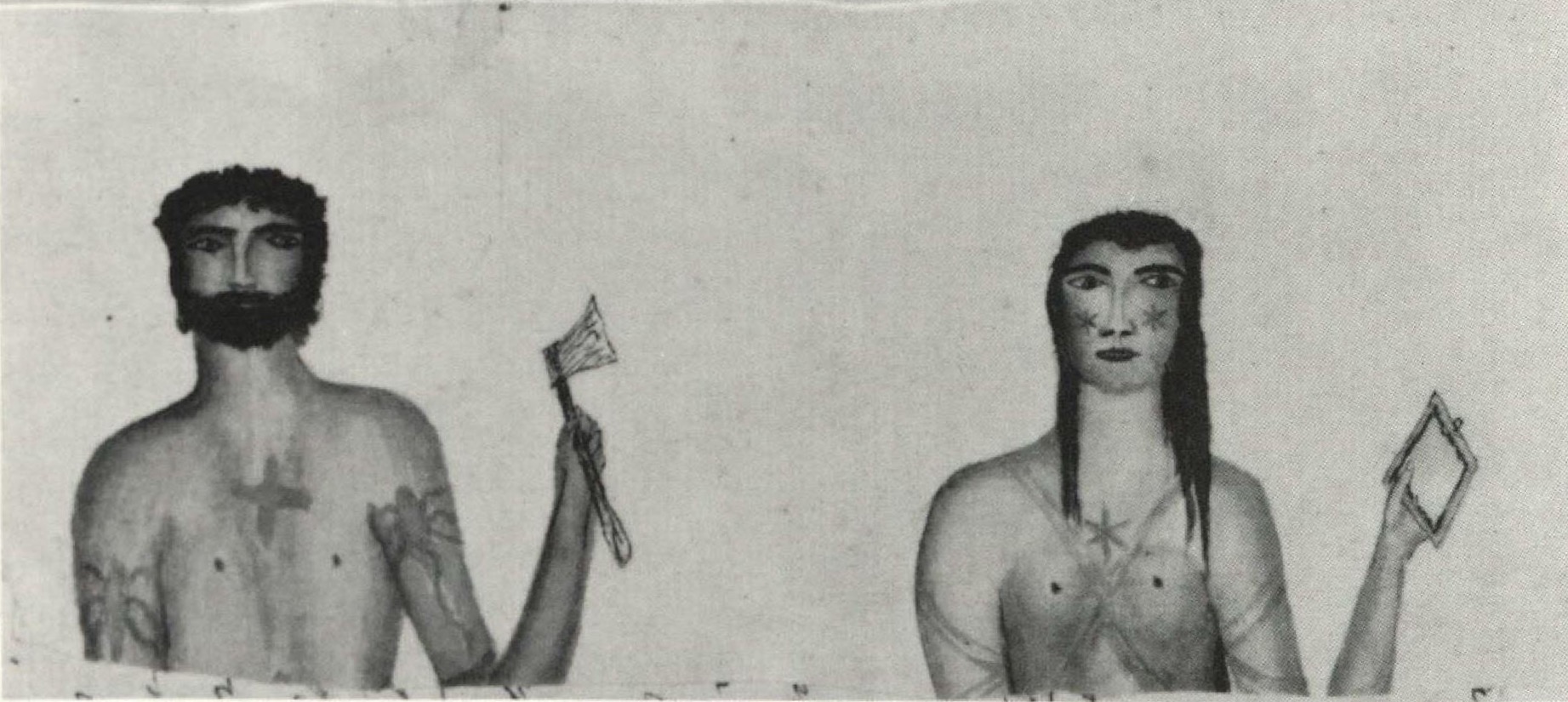
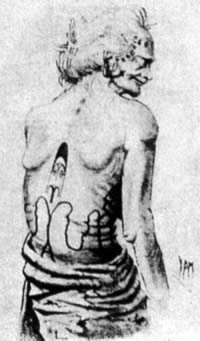
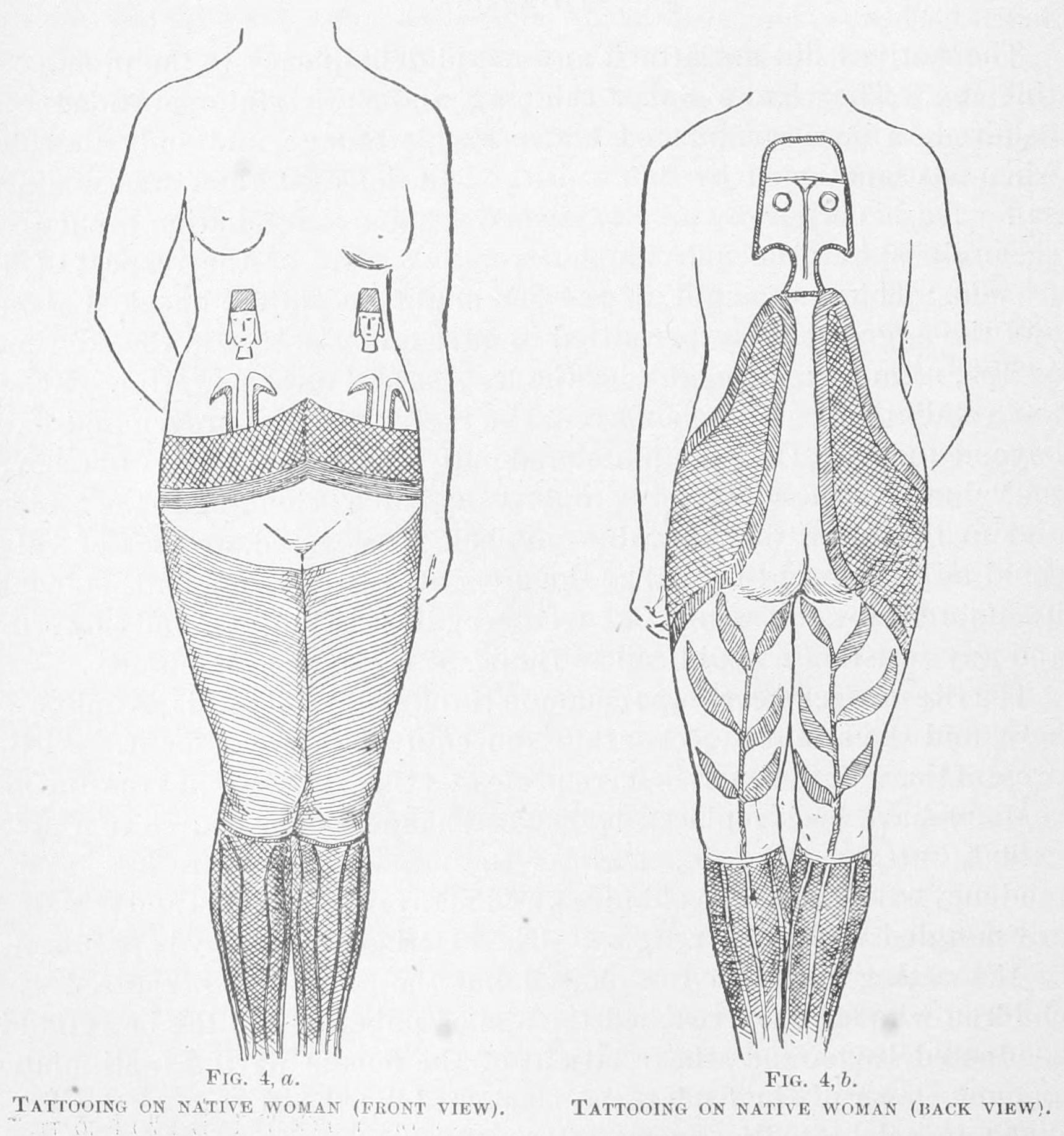
The primary written source for Rapa Nui tattooing is William J. Thomson's 1889 field report for the United States National Museum (Te Pito te Henua, or Easter Island, 1891). Thomson sketched the surviving elders' tattoo patterns — full-face bands, forehead marks, and body panels — before the last generation of traditionally tattooed Rapa Nui died. His plates, together with the earlier drawings of Katherine Routledge (1914–15) and the ethnographic notes of the Métraux expedition (1934), form almost the entire record of the pre-collapse tradition. Everything visible on the island today is a revival built from these pages, oral history from the island's remaining koro (elders), and shared Polynesian roots.