History
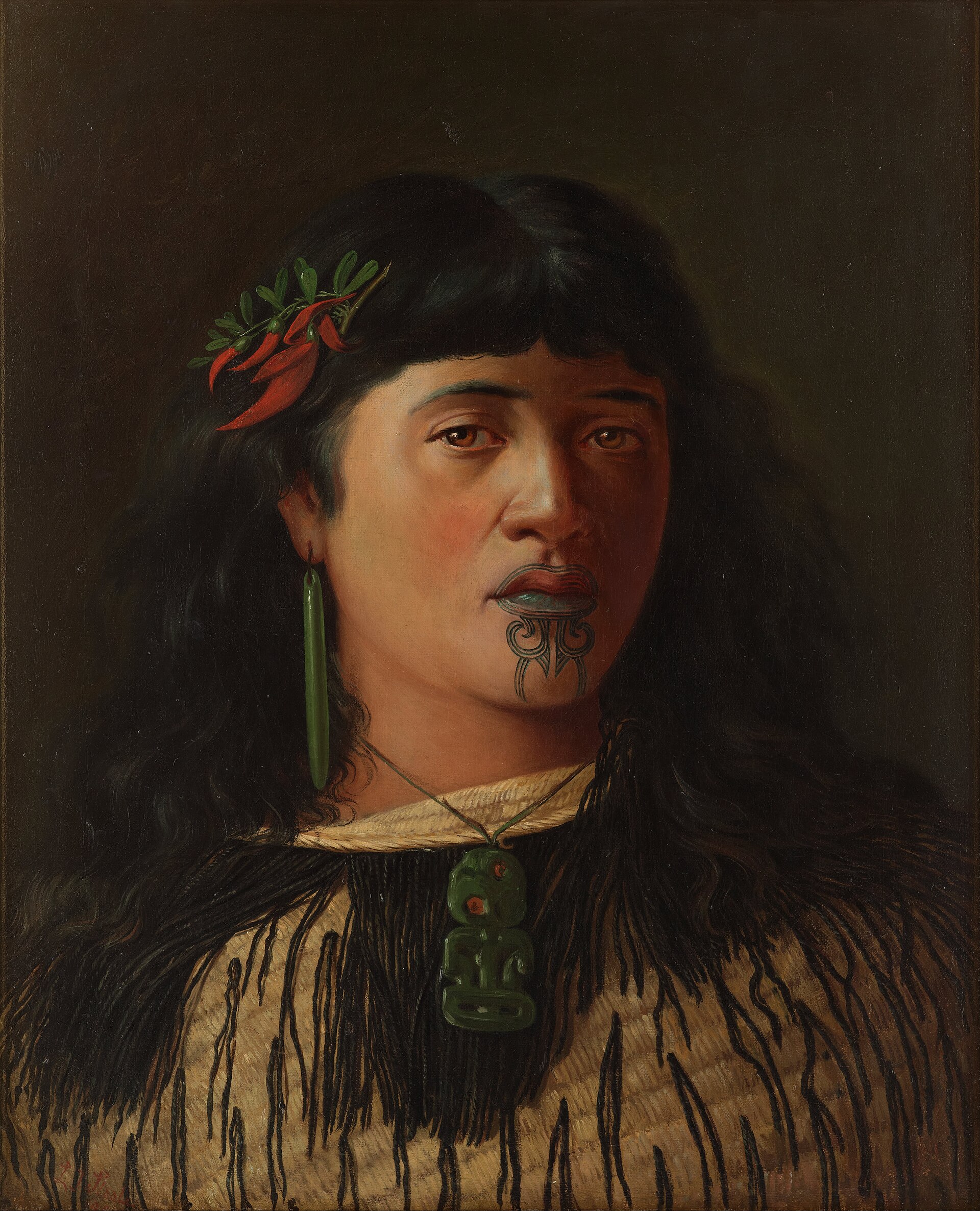
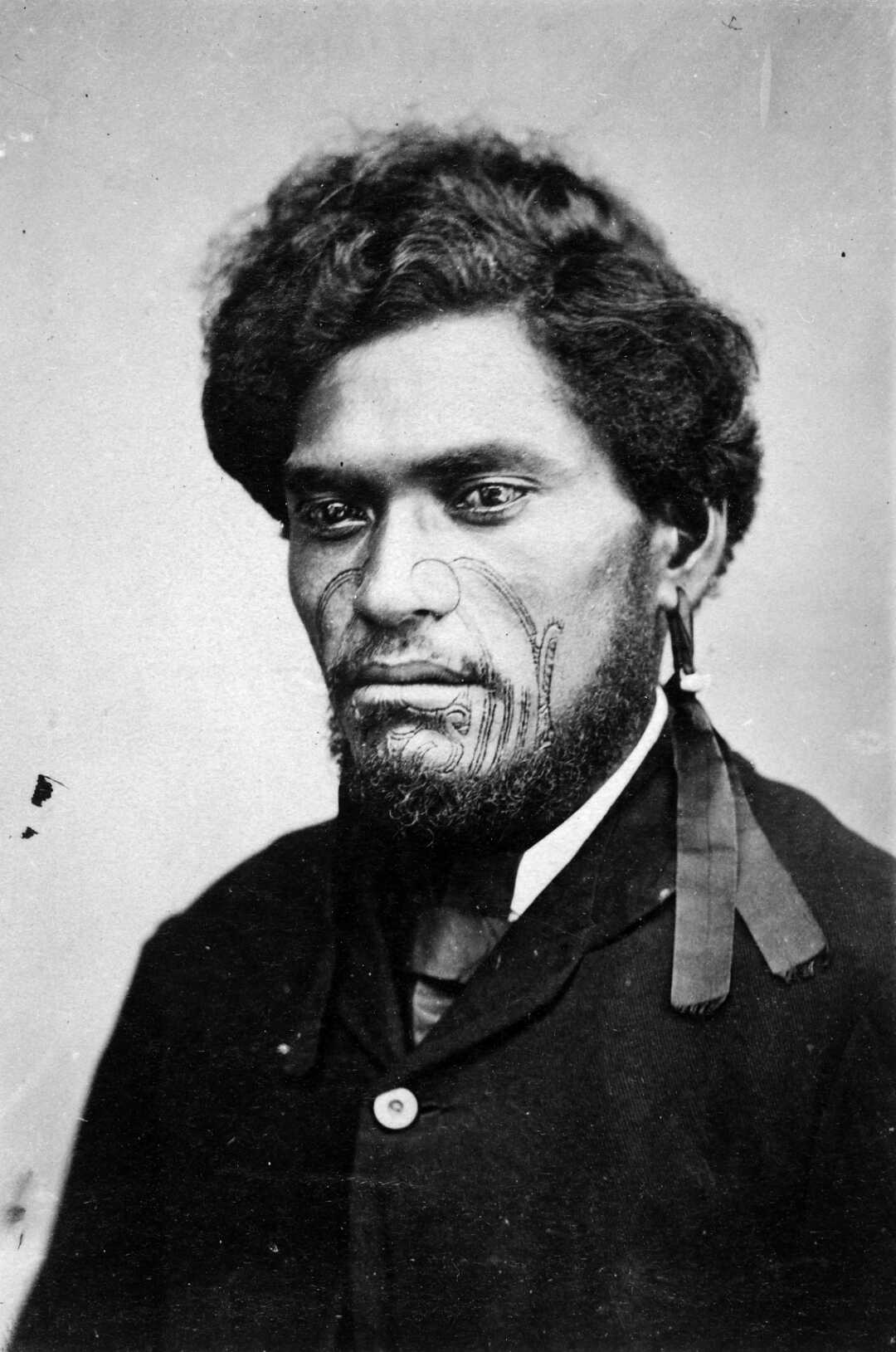
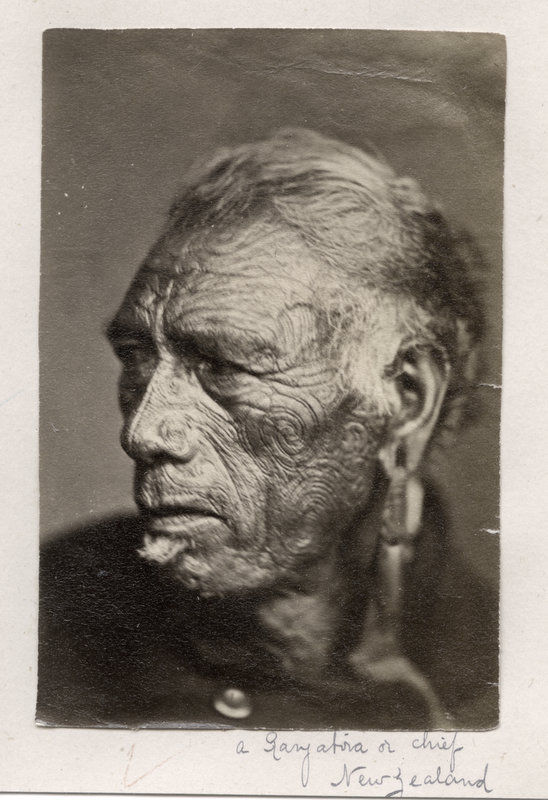
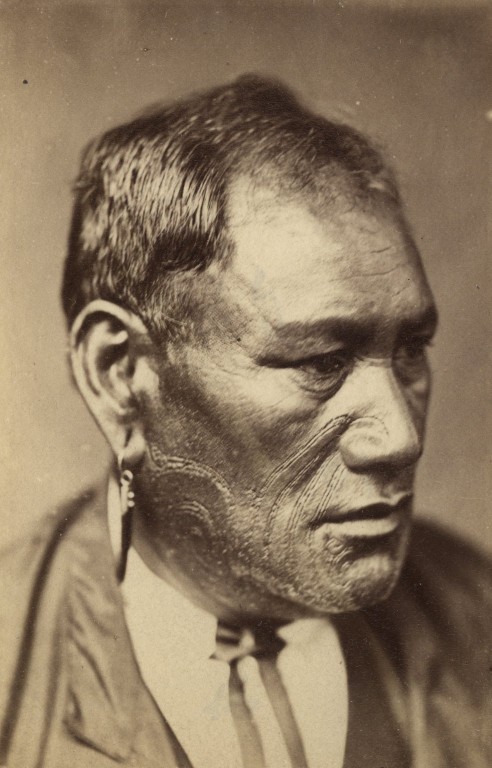
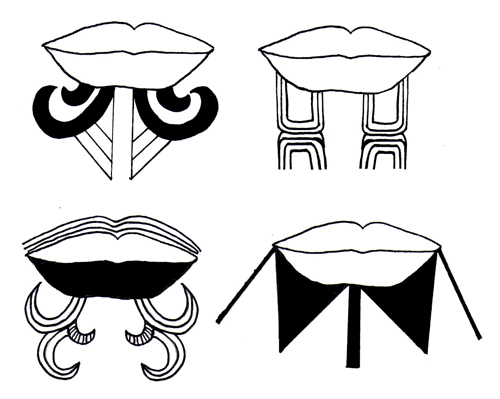
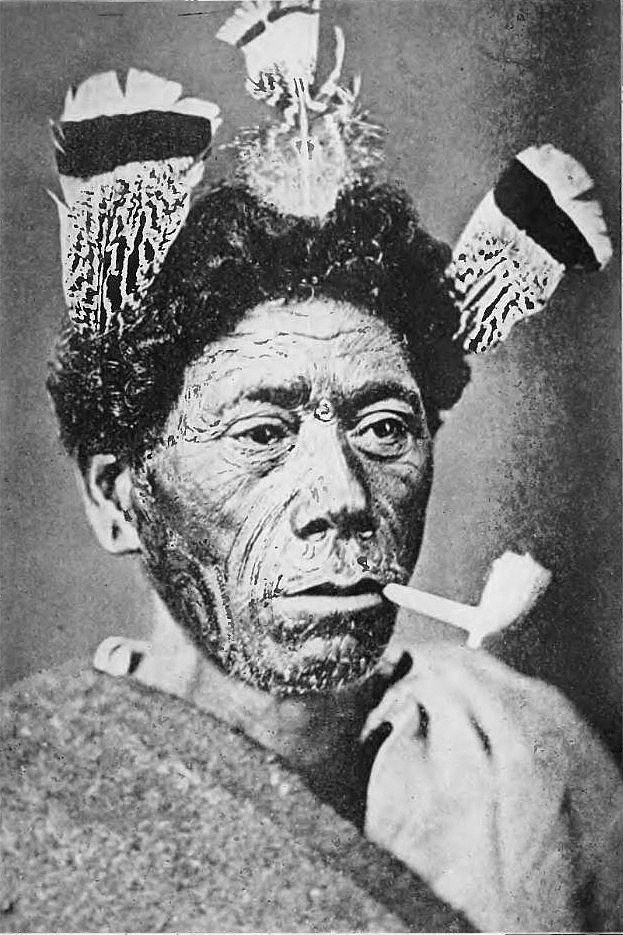
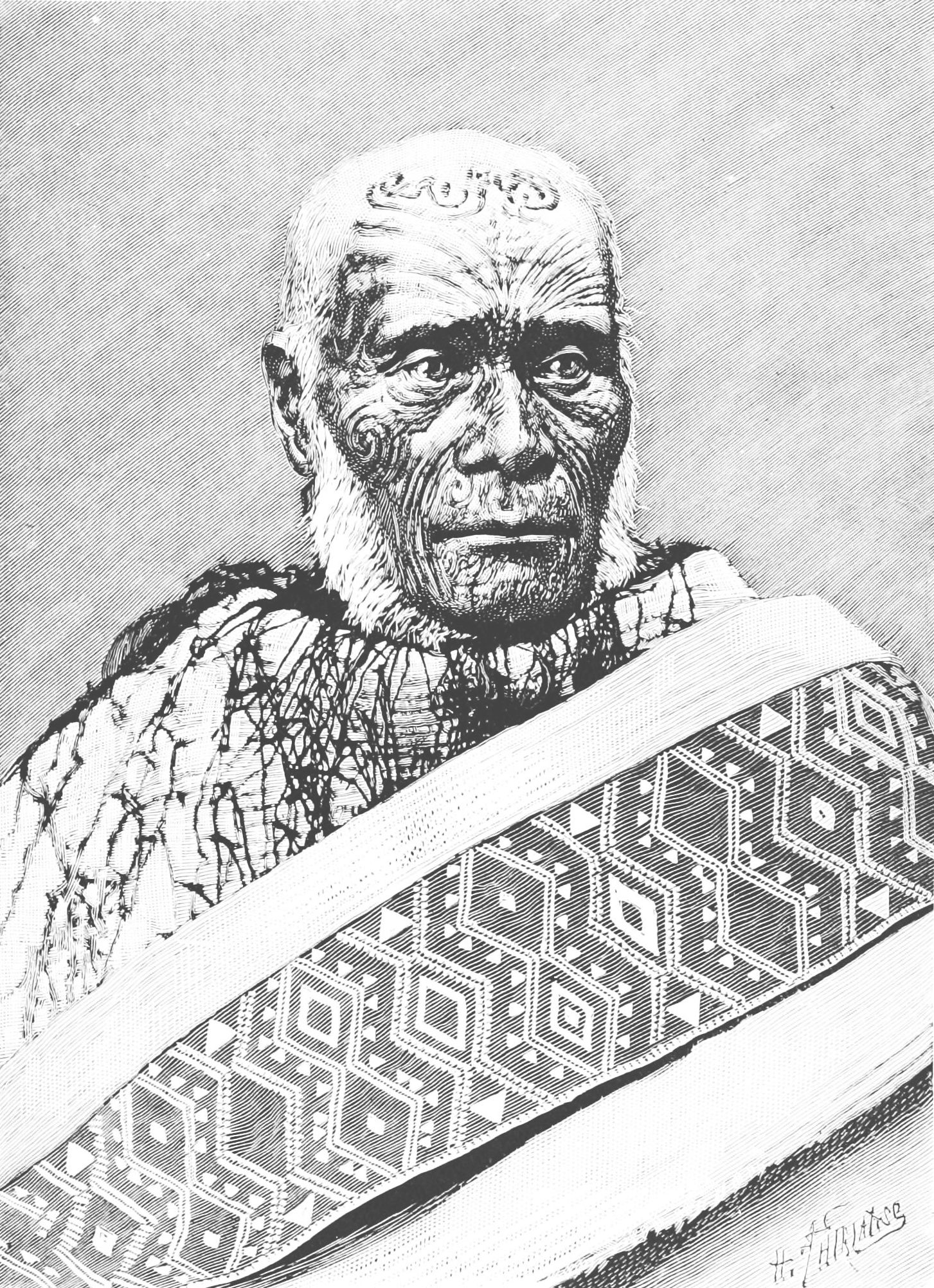
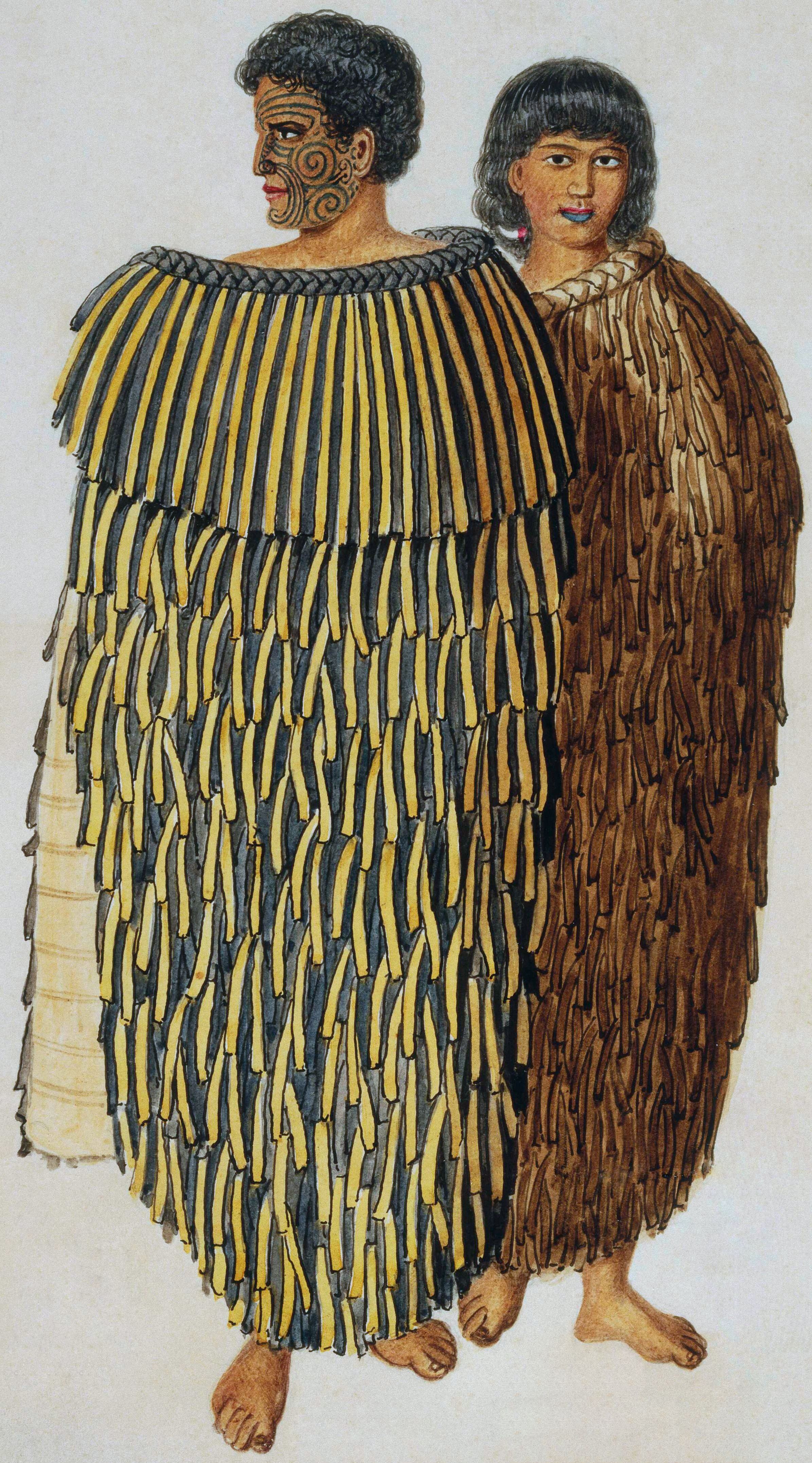
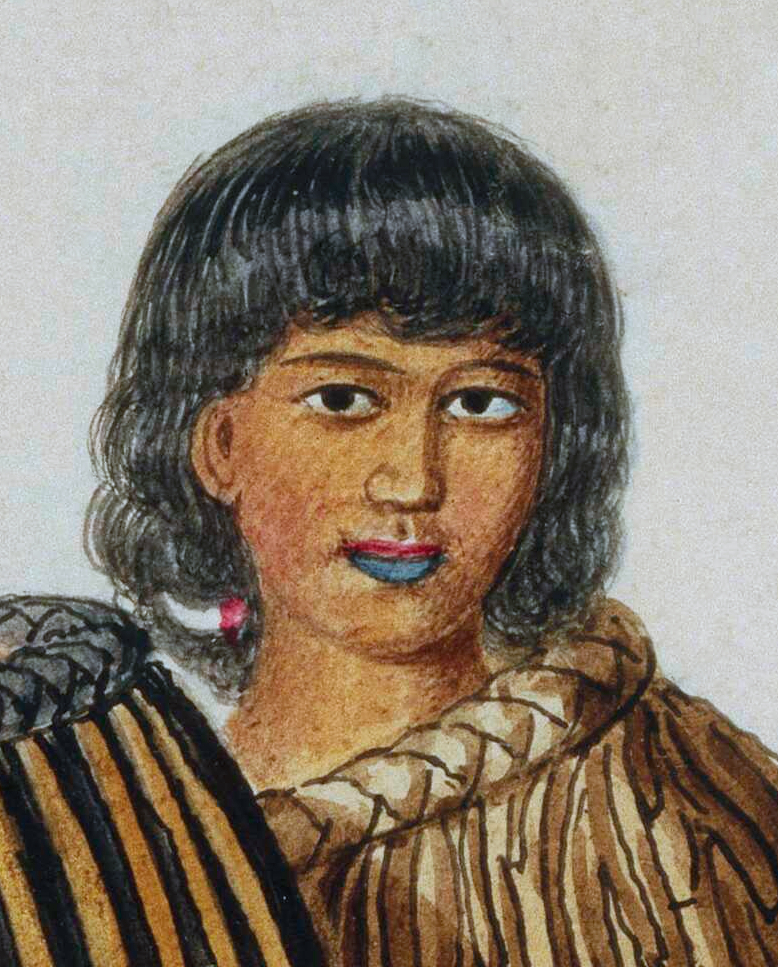
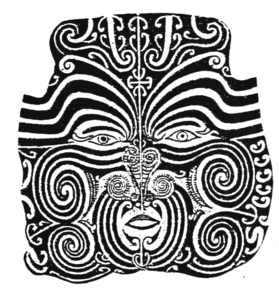
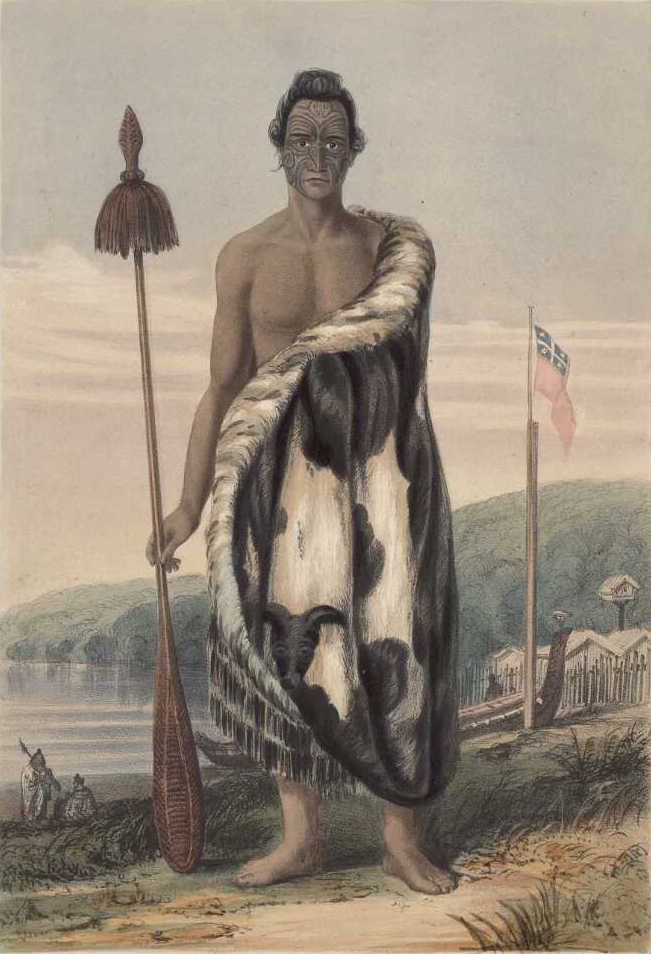
Traditionally cut, not needle-punched, so healed moko read like carved wood. Men wore full facial moko; women wore moko kauae on the chin and lips. After decades of colonial suppression, tā moko has been reclaimed since the 1970s renaissance and is again a public marker of Māori identity.
Typical placements
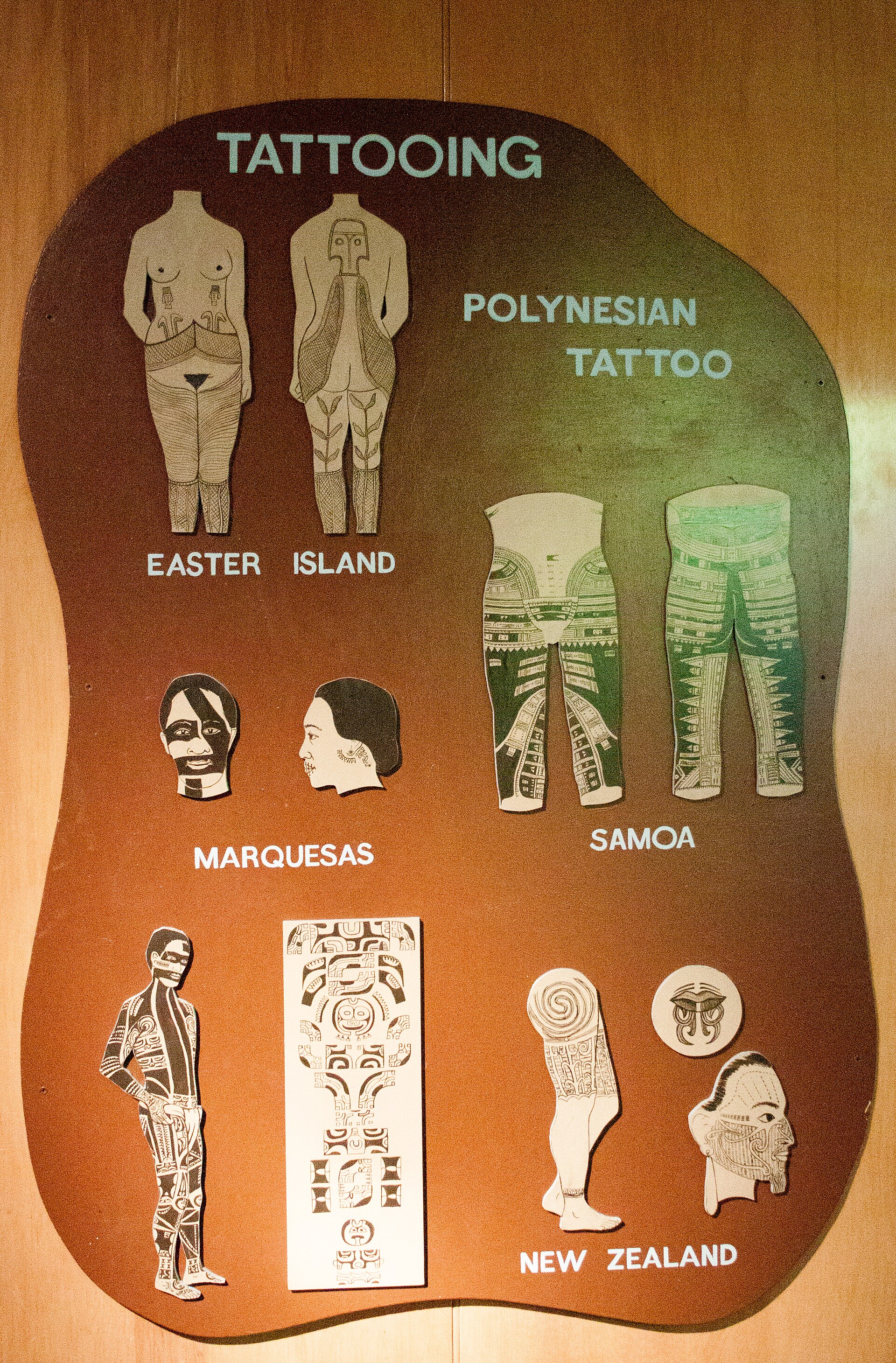
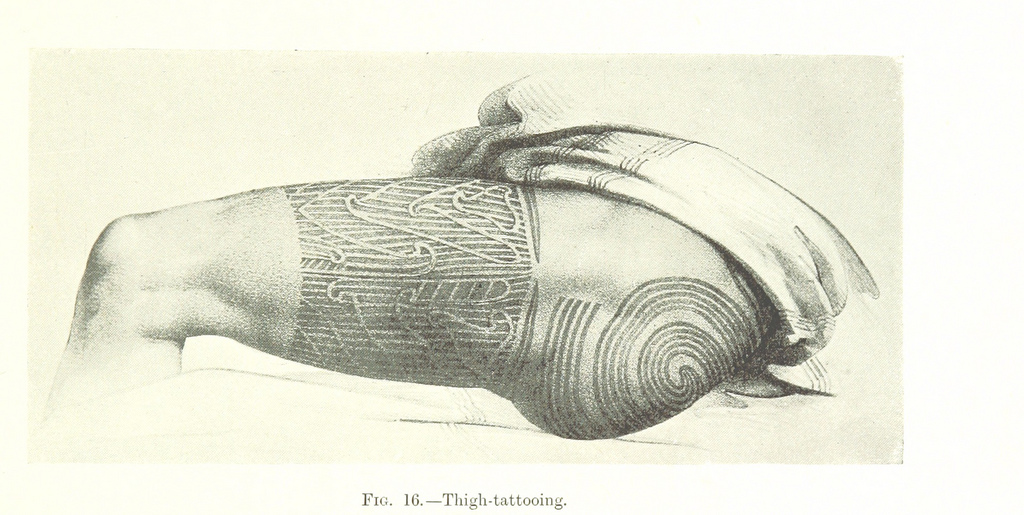
Face (mataora for men, moko kauae for women), buttocks and thighs (puhoro / rape), and full sleeves.
Signature motifs
- Koru — unfurling silver-fern spiral of new life
- Manaia — spirit guardian with bird head and human body
- Pikorua — twisted double spiral of enduring bonds
- Unaunahi — fish-scale rows for abundance
- Rauponga — parallel notched lines framing every design
Sources
Tools, techniques & ceremonies
Documented from published ethnography and museum records.
Traditional Māori tattooing did not use needles; instead, uhi (chisels ) made from shark teeth, sharpened bone (such as albatross bone), or sharp stones were used.
Uhi chisels were either plain and smooth or serrated, and were used interchangeably depending on the desired pattern or design. These chisels produced deep grooved lines unique to Māori moko.
The inks used were made from natural products. Black pigments were created from burnt wood, while lighter pigments were derived from caterpillars infected with a fungus or from burnt kauri gum mixed with animal fat.
Source: Zealand Tattoo, "Maori Tattoo: The Definitive Guide to Ta Moko", ZealandTattoo.co.nz, Unknown
Black pigment from burnt wood was reserved for facial tattoos, while lighter pigments were used for outlines and less revered tattoos.
Source: Zealand Tattoo, "Maori Tattoo: The Definitive Guide to Ta Moko", ZealandTattoo.co.nz, Unknown
The pigments were stored in ornate containers called oko, which were considered family heirlooms and often buried when not in use.
Source: Zealand Tattoo, "Maori Tattoo: The Definitive Guide to Ta Moko", ZealandTattoo.co.nz, Unknown
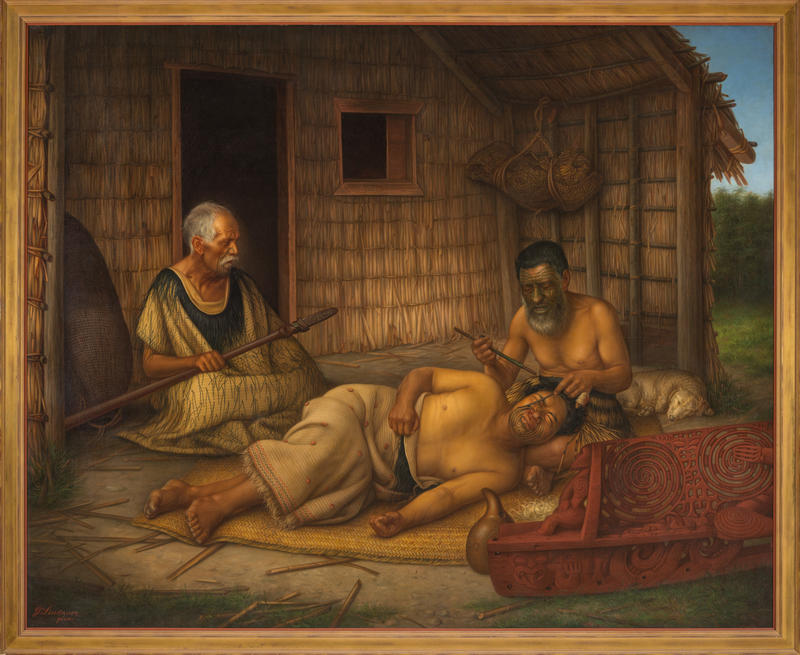
The tattooing process was very painful. Deep cuts were incised into the skin, and the chisel was dipped in pigment and tapped into the cuts. Another method involved striking the chisel with a mallet. This technique resulted in grooves in the healed skin, unlike the smooth surface left by needlepoint tattoos.
Source: Zealand Tattoo, "Maori Tattoo: The Definitive Guide to Ta Moko", ZealandTattoo.co.nz, Unknown
The tattooing was a long and labor-intensive process, with only a few body parts tattooed at a time to allow for healing.
Source: Zealand Tattoo, "Maori Tattoo: The Definitive Guide to Ta Moko", ZealandTattoo.co.nz, Unknown
The tattooing process was considered sacred. Those undergoing or involved in the process could not eat with their hands or speak to anyone outside the tattooing group. They were expected to endure the pain without crying out, as it was seen as a sign of weakness.
Source: Zealand Tattoo, "Maori Tattoo: The Definitive Guide to Ta Moko", ZealandTattoo.co.nz, Unknown
During facial tattooing, individuals had to abstain from sexual intimacy and solid foods. They were fed through a wooden funnel to prevent contamination of the swollen skin until the wounds healed.
Source: Zealand Tattoo, "Maori Tattoo: The Definitive Guide to Ta Moko", ZealandTattoo.co.nz, Unknown
Karaka tree leaves were applied as a balm after sessions to hasten healing. Music, singing, and chanting often accompanied the tattooing to help soothe the pain.
Source: Zealand Tattoo, "Maori Tattoo: The Definitive Guide to Ta Moko", ZealandTattoo.co.nz, Unknown
Colonial suppression & modern revival
Historical timeline with citations.
New Zealand was colonized in 1840, and a suppression act in 1907 outlawed the teaching and practice of Māori culture, including Tā Moko. This led to a significant decline in the practice, with Tā Moko becoming scarce and primarily seen among tribal elders or in old photographs.
Missionaries and Pākehā (Europeans ) generally perceived Tā Moko as a distasteful practice, contributing to its disruption and decline from the mid-19th century onwards. This view particularly affected young Māori men.
Source: Te Papa, "Tāmoko | Māori tattoos: history, practice, and meanings", tepapa.govt.nz, Unknown
The last men to be tattooed traditionally died during the 1920s, though women in various districts continued to be tattooed through the 1920s.
Source: Te Papa, "Tāmoko | Māori tattoos: history, practice, and meanings", tepapa.govt.nz, Unknown
A significant revival of Tā Moko occurred in the 1970s and 1980s, linked to a broader Māori cultural renaissance that included the resurgence of the Māori language and arts. A handful of Māori artists began researching and relearning the art to bring it back into practice.
Mokonui-a-rangi Smith is a contemporary practitioner who works with traditional uhi (hand tools ) and is part of the Māori revival effort, aiming to recover ancestral practices. He notes a significant increase in Māori people seeking Tā Moko since the Covid-19 pandemic, driven by a desire to reconnect with their ancestors and culture.
The increasing visibility of Tā Moko on public figures, such as foreign affairs minister Nanaia Mahuta (who received a moko kauae in 2016 ) and news anchor Oriini Kaipara (the first woman with a moko kauae to host prime-time television news in 2021), has normalized the practice and bolstered a sense of pride and identity.
Despite the revival, individuals wearing Tā Moko, particularly on the face, still face discrimination and racist abuse. Petitions have been launched to formally prohibit discrimination against people with moko.
Full cross-tradition reference: open the sourced reference guide.
Glossary terms
Definitions live in the design glossary.
Māori gallery14 photos
Wikimedia Commons imagery filtered to Māori.
Frequently asked questions
What is a Māori tattoo?+
Tā moko is the Māori practice of carving pigment into the skin with uhi chisels. Every moko is a unique whakapapa — a genealogical signature. The tradition is known as Tā moko and comes from Aotearoa / New Zealand.
What are the signature motifs of Māori tattoos?+
Signature Māori motifs include: Koru — unfurling silver-fern spiral of new life; Manaia — spirit guardian with bird head and human body; Pikorua — twisted double spiral of enduring bonds; Unaunahi — fish-scale rows for abundance; Rauponga — parallel notched lines framing every design.
Where on the body are Māori tattoos traditionally placed?+
Face (mataora for men, moko kauae for women), buttocks and thighs (puhoro / rape), and full sleeves.
Related
Go deeper on Māori tattoos
Motif library →
See Māori motifs alongside symbols from every tradition.
Design glossary →
Māori vocabulary in context.
Placement guide →
How these designs sit on sleeves, chest, back and legs.
Artist directory →
Practitioners working in Māori tradition.
Meanings & symbols →
Long-form explainer covering every tradition.
Choosing an artist →
Consultation checklist and questions to ask.