Verified & SourcedView reference guide →

Fiji · Western Polynesia / Melanesia border

Fijian tattoos

Veiqia

Veiqia was Fiji's traditional women's tattoo — dense, curvilinear thigh and buttock work applied at puberty as the central marker of womanhood in iTaukei culture. It has been undergoing a formal revival since 2015.

Tradition · Veiqia (women's tattoo) & qia gusu (mouth marks)

History

Veiqia was applied to Fijian girls at puberty by dauveiqia (women tattooists), covering the thighs, buttocks and lower abdomen with fine curvilinear designs. It was accompanied by qia gusu — mouth-line tattoos at the corners of the lips. Wesleyan missionaries arriving from 1835 campaigned aggressively against veiqia, and Fijian conversion to Methodism was made contingent on abandoning the practice. Within one generation, the living tradition was effectively gone. Fiji sits on the Melanesian–Polynesian boundary and its tattooing shared roots with both regions, but veiqia's tool geometry, placement rules and gendered exclusivity are distinctly Fijian.

Typical placements

Thighs, buttocks and lower abdomen (veiqia); corners of the mouth (qia gusu). Contemporary revival work honors these placements for Fijian women reconnecting with tradition.

Signature motifs

  • Veiqia curls — dense curvilinear thigh bands
  • Qia gusu — fine line at the corner of the mouth
  • Vonu — sea turtle motif for longevity and navigation
  • Tanoa — kava-bowl focal motif for ceremony
  • Bure roof — thatched-roof triangle for home and gathering

Sources

Deeper history

The women who carried veiqia

Veiqia was carried and applied entirely by women. Dauveiqia — the women tattooists — were senior members of the community whose role combined the technical mastery of the mark-maker with the ceremonial authority of the coming-of-age ritual leader. Girls received their veiqia between puberty and marriage across multiple sessions, and the process included seclusion, feasting and specific ritual songs. The completed veiqia was the mark that a girl had become a woman ready for marriage and eligible for the full social life of the community.
Missionary suppression, 1830s–1860s

Fiji's conversion to Wesleyan Methodism from the 1830s onward was accompanied by an explicit campaign against veiqia. Missionaries taught that the practice was heathen; converted chiefs made abandoning it a condition of continued rank; by the 1860s, dauveiqia were being publicly shamed and their tools destroyed. The last generation of traditionally-marked Fijian women died in the early 20th century. Unlike Samoa's tatau, veiqia had no matai-equivalent political structure that could shield it, and unlike Māori tā moko, it was gender-restricted in a way that Christian missionaries found particularly easy to target.

The 21st-century revival

The Veiqia Project, founded in 2015 by a collective of iTaukei women including tattooists, artists, curators and academics, is the primary vehicle of the modern revival. Its work rebuilds veiqia from museum collections (Fiji Museum, the British Museum, MAA Cambridge), oral history from communities where family memory of the practice survived, and comparative study with related Polynesian and Melanesian traditions. Today Fijian women again receive veiqia — for their own cultural reconnection, not commercial commission — using both traditional bone-comb tools and modern equivalents. Because the tradition is women's cultural property and is being actively rebuilt, veiqia patterns should not be worn by non-Fijian people.

Motifs and the surviving visual record

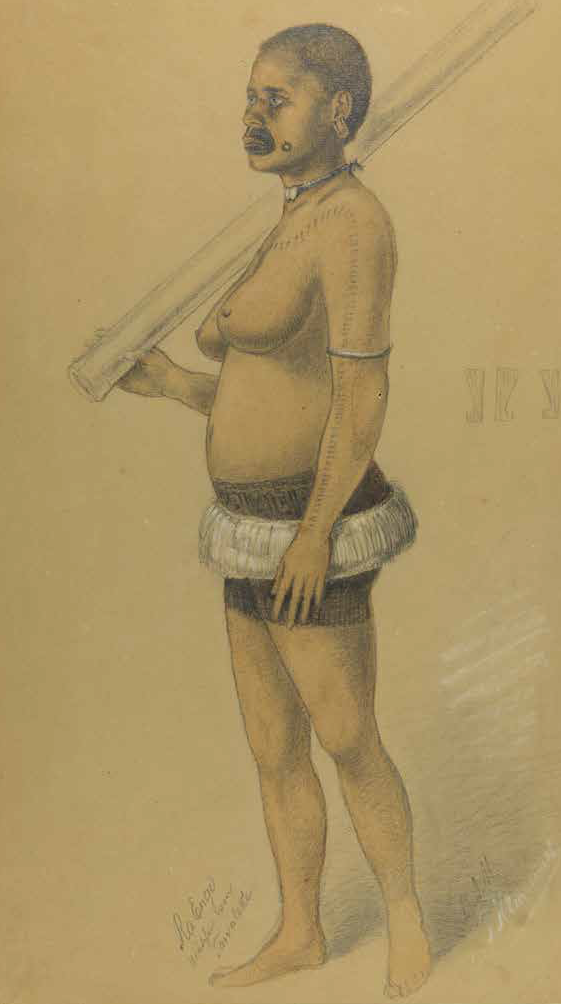
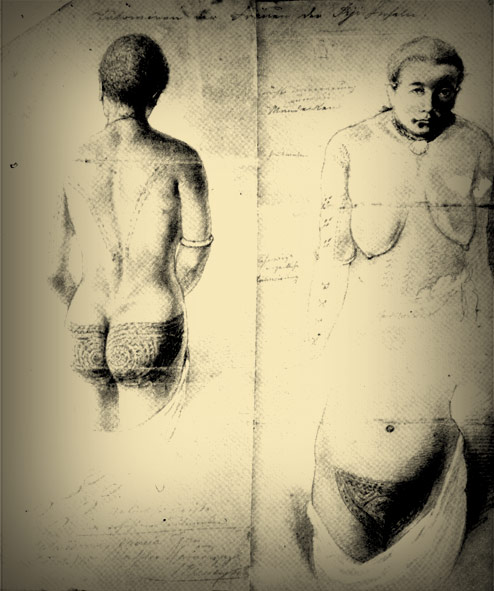
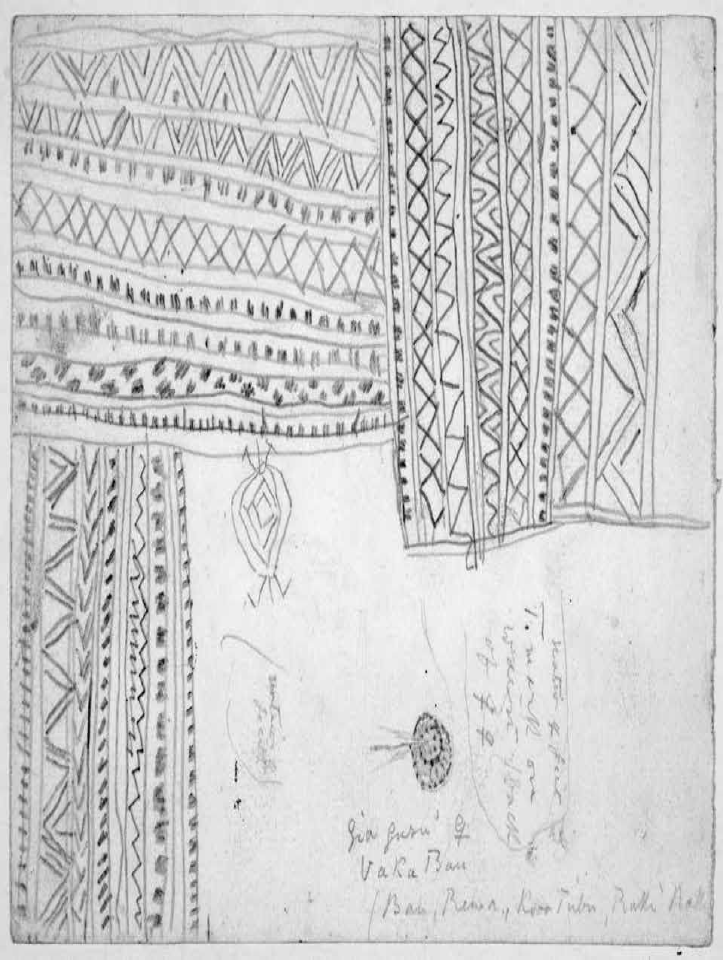
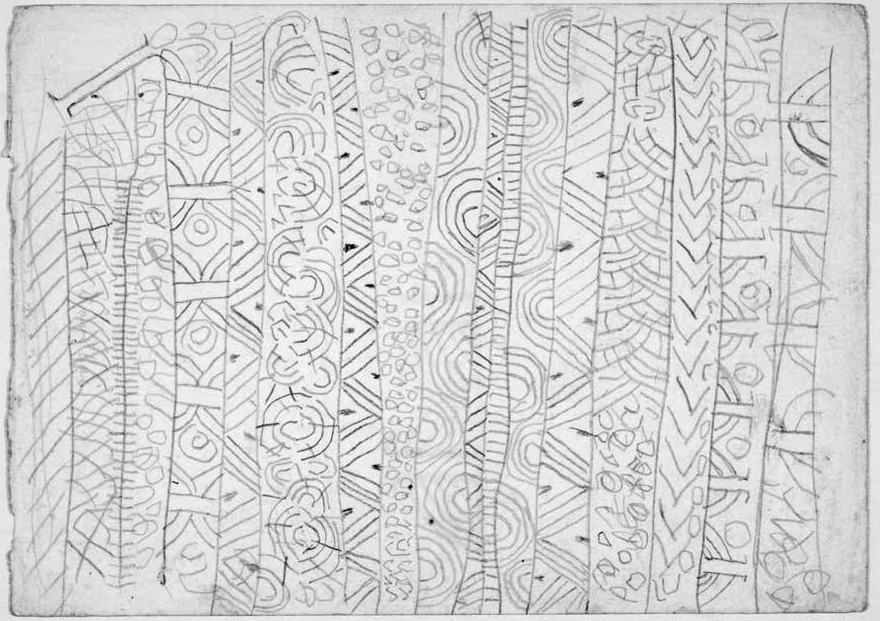
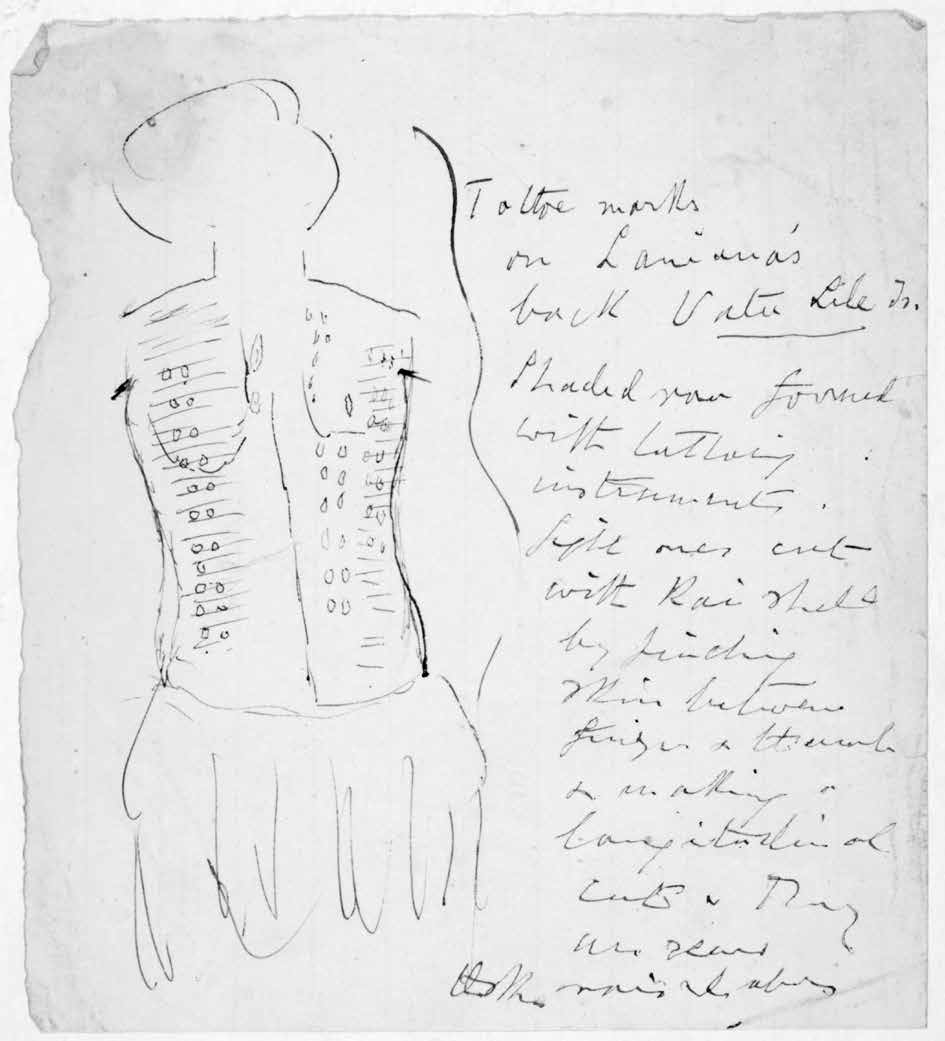
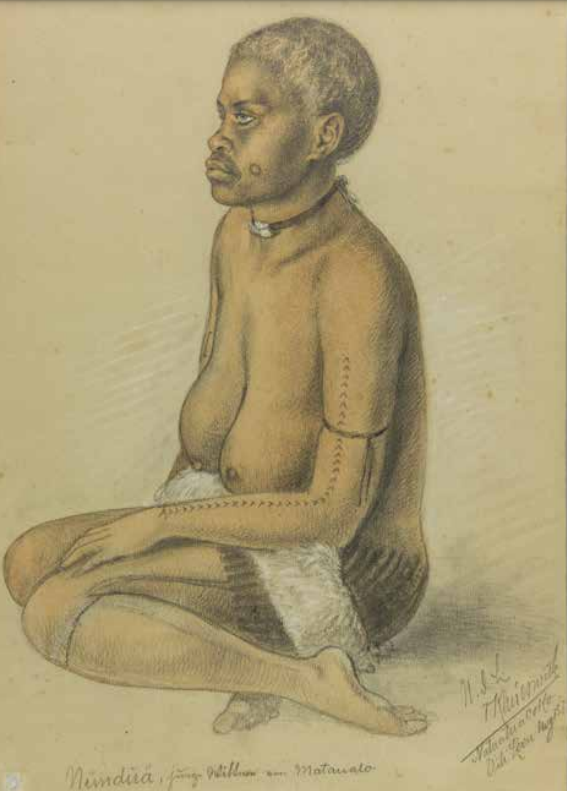
The Fiji Museum, the British Museum's Pacific collections, and the Cambridge Museum of Archaeology & Anthropology hold the surviving photographic and object record — including the 1875 Laniana photograph and the Ra Enge and Nundua plates from the late 19th century. Veiqia designs are distinctively curvilinear where Samoan tatau is angular — dense flowing patterns wrapping the thighs, with radial arrangements over the buttocks and a specific vocabulary of motifs that survives in ngatu (bark-cloth) design across the region.

Tools, techniques & ceremonies

Documented from published ethnography and museum records.

Colonial suppression & modern revival

Historical timeline with citations.

Full cross-tradition reference: open the sourced reference guide.

Glossary terms

Definitions live in the design glossary.

Fijian gallery7 photos

Wikimedia Commons imagery filtered to Fijian.

Open the full gallery →
Laniana and a map of her back tattoos, 1875–1876 — Fijian back tattoo
Laniana and a map of her back tattoos, 1875–1876
By Unknown (Fiji Museum collection) · Public domain · Wikimedia Commons
Nundua, Fijian widow tattooed with veqia and qia gusu — Fijian historical tattoo illustration
Nundua, Fijian widow tattooed with veqia and qia gusu
By Unknown (Fiji Museum collection) · Public domain · Wikimedia Commons
Ra Enge, Fijian noblewoman tattooed with veiqia and qia gusu — Fijian historical tattoo illustration
Ra Enge, Fijian noblewoman tattooed with veiqia and qia gusu
By Unknown (Fiji Museum collection) · Public domain · Wikimedia Commons
Veiqia — female tattooing in Fiji — Fijian historical tattoo illustration
Veiqia — female tattooing in Fiji
By Unknown (Fiji Museum collection) · Public domain · Wikimedia Commons
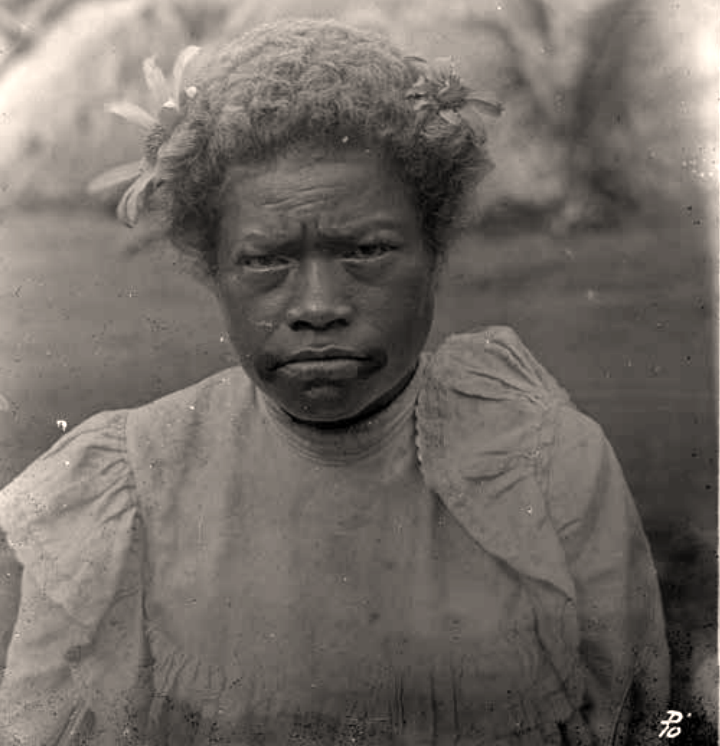
Unknown Fijian woman with qia gusu (mouth tattoos), Vanua Levu, 1910–12 — Fijian facial tattoo
Unknown Fijian woman with qia gusu (mouth tattoos), Vanua Levu, 1910–12
By Unknown (Fiji Museum collection) · Public domain · Wikimedia Commons
Veiqia design — Fijian historical tattoo illustration by Not definitely known, but from the collection of Anatole von Hügel
Veiqia design
By Not definitely known, but from the collection of Anatole von Hügel · Public domain · Wikimedia Commons
Veiqia design (complete) — Fijian historical tattoo illustration by Not definitely known, but from the collection of Anatole von Hügel
Veiqia design (complete)
By Not definitely known, but from the collection of Anatole von Hügel · Public domain · Wikimedia Commons

Frequently asked questions

What is a Fijian tattoo?+

Veiqia was Fiji's traditional women's tattoo — dense, curvilinear thigh and buttock work applied at puberty as the central marker of womanhood in iTaukei culture. It has been undergoing a formal revival since 2015. The tradition is known as Veiqia and comes from Fiji · Western Polynesia / Melanesia border.

What are the signature motifs of Fijian tattoos?+

Signature Fijian motifs include: Veiqia curls — dense curvilinear thigh bands; Qia gusu — fine line at the corner of the mouth; Vonu — sea turtle motif for longevity and navigation; Tanoa — kava-bowl focal motif for ceremony; Bure roof — thatched-roof triangle for home and gathering.

Where on the body are Fijian tattoos traditionally placed?+

Thighs, buttocks and lower abdomen (veiqia); corners of the mouth (qia gusu). Contemporary revival work honors these placements for Fijian women reconnecting with tradition.