Verified & SourcedView reference guide →

Cook Islands · Central Eastern Polynesia

Cook Islands tattoos

Tātatau Māori

A close cousin of Society Islands and Māori tattooing, Cook Islands tātatau was noted by Cook's crew and later suppressed under the London Missionary Society before reviving alongside a wider Pacific renaissance.

Tradition · Cook Islands Māori tātatau

History

Missionary bans from the 1820s ended traditional practice on Rarotonga and the outer islands. From the 1990s onward, artists like Michael Tavioni and Croc Coulter have led the reconstruction of Cook Islands tātatau from museum drawings, oral history and shared Polynesian roots.

Typical placements

Chest-to-shoulder plates, sleeves, thigh bands, and back panels; women's work commonly on the hands, forearms and lips.

Signature motifs

  • 'Enua — land / ancestral home symbols
  • Tumu — trunk forms for lineage
  • Rangi — sky bands with stacked triangles
  • Ta'unga — priest / navigator marks
  • Ora — spiral of life motifs shared with tā moko

Sources

Deeper history

The pre-missionary tradition

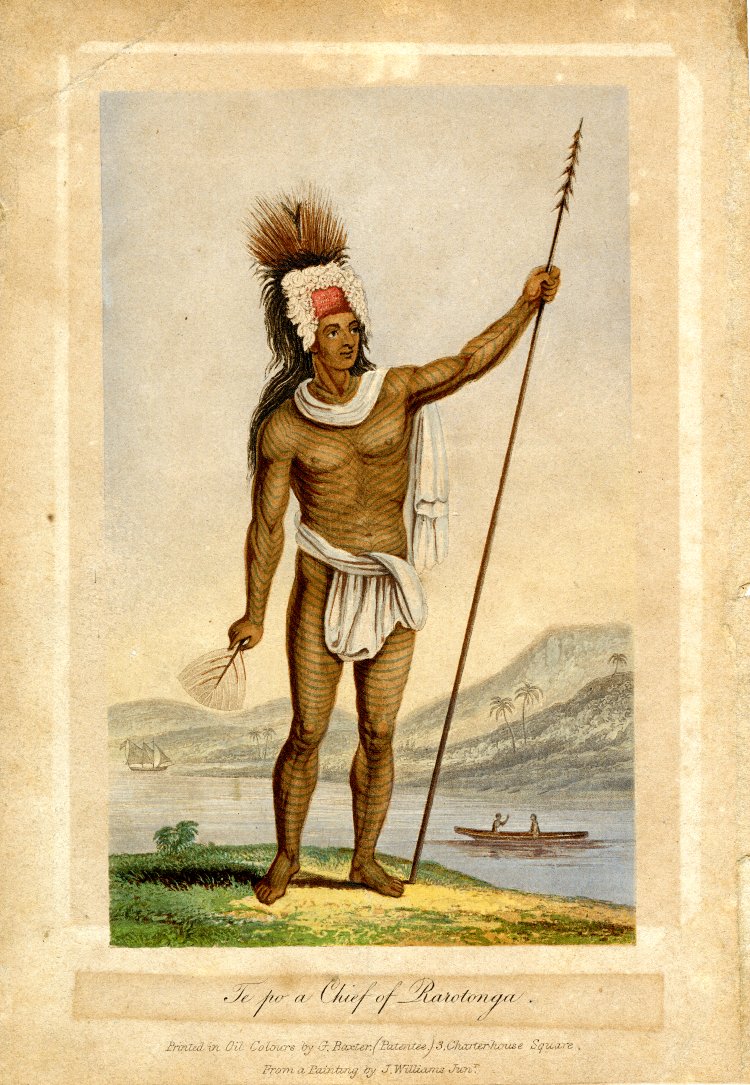
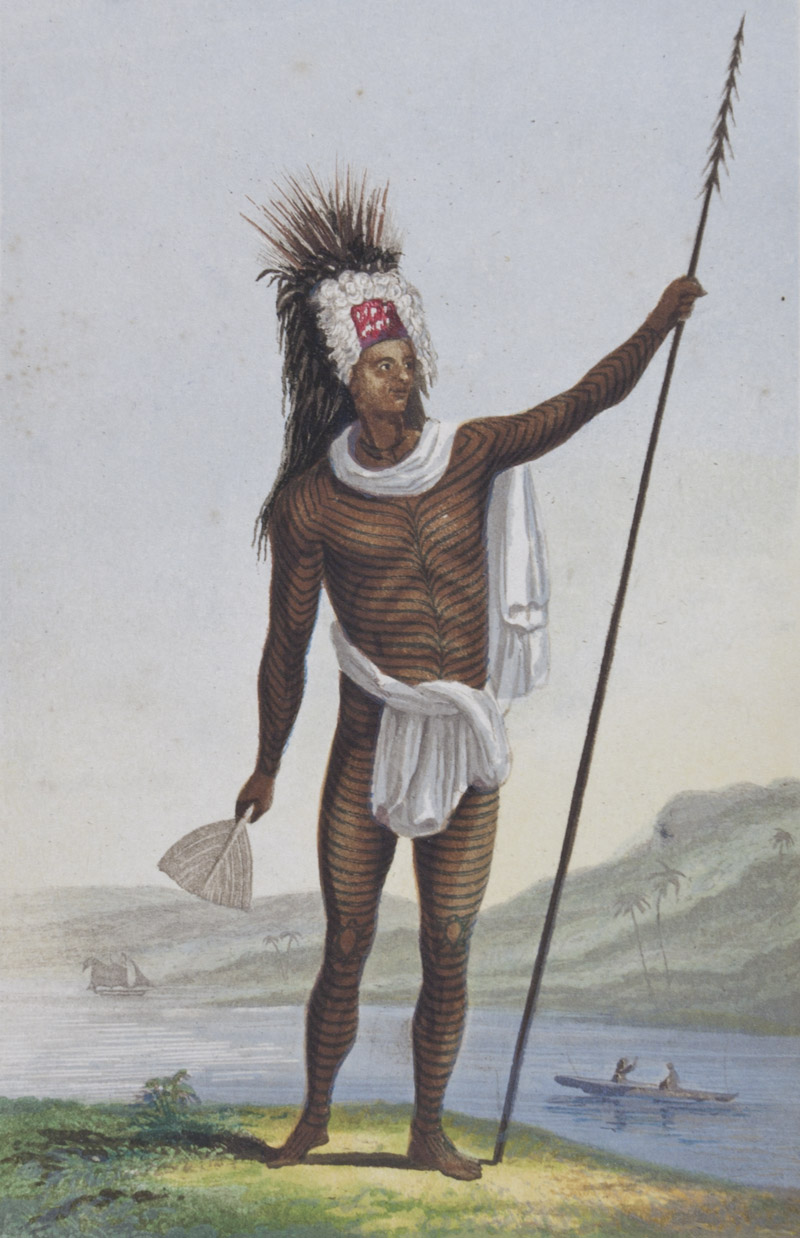
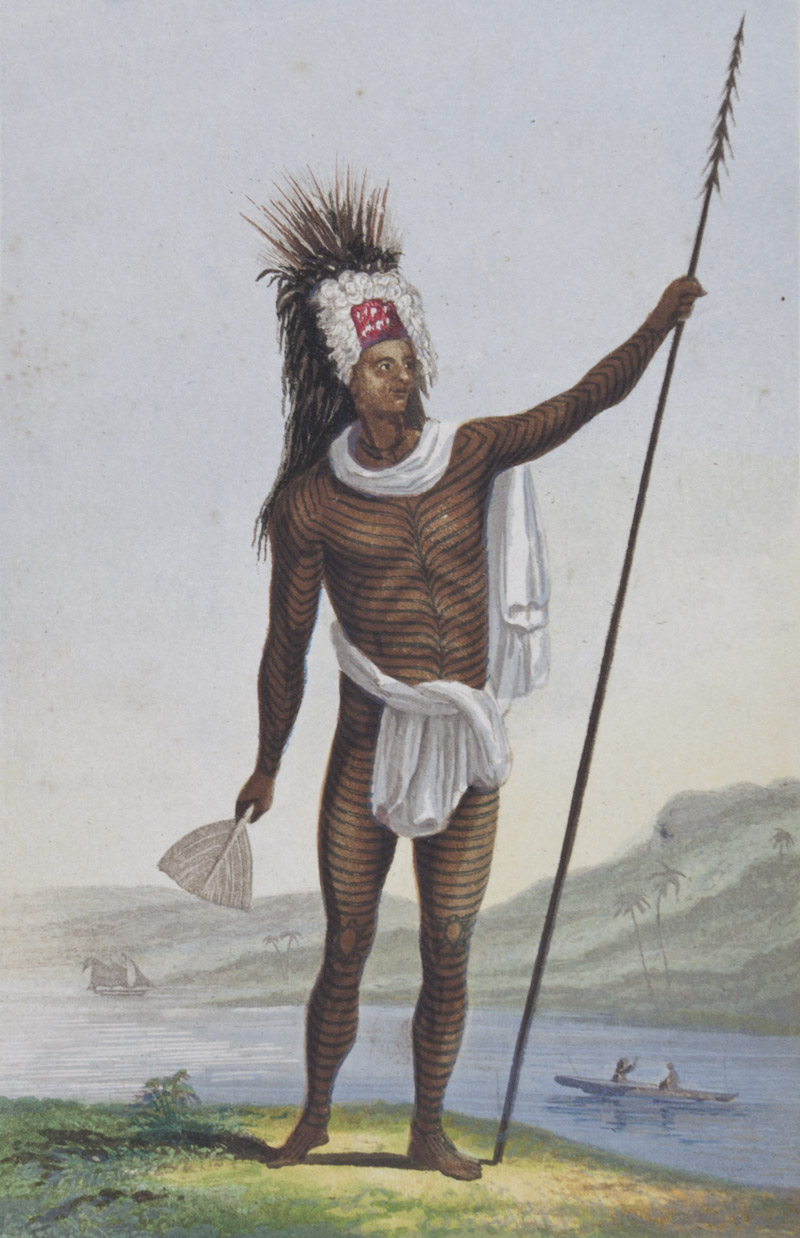
Cook Islands Māori tātatau was documented by James Cook's crew on their 1773 and 1777 voyages, and later by the London Missionary Society's John Williams from 1823. The pre-contact tradition was closely related to Society Islands and Māori work, sharing curvilinear motifs, spiral terminations and the 'ora vocabulary. High-status men on Rarotonga, Aitutaki and Atiu wore chest, shoulder and thigh work; women commonly wore lip, hand and forearm marks. The tools were shared with the wider region — bone-comb serrated implements struck by a mallet.
Suppression and cultural memory (1820s–1970s)

The London Missionary Society reached Rarotonga in 1821 and had converted most of the population within a decade. Tātatau was formally proscribed by the LMS-influenced Rarotonga Code of 1827, and by the 1850s the tradition was almost entirely gone. Unlike Samoa, the Cook Islands had no political counter-weight to the mission church; unlike Aotearoa, there was no post-colonial reclamation movement until much later. What survived was the design language itself — preserved in kupesi-adjacent stamping patterns, tivaevae (quilting) motifs and family memory rather than in living skin work.

The contemporary revival (1990s–present)

The Cook Islands cultural renaissance from the 1990s onward — anchored by the Ministry of Cultural Development, the Cook Islands National Museum, and the annual Te Maeva Nui festival — has rebuilt tātatau as a living practice. Artists including Michael Tavioni, Croc Coulter and Ina Michael Sione have led the reconstruction, working from museum drawings, comparative Polynesian sources, and community consultation. Contemporary Cook Islands work reads distinctly from Māori tā moko: lighter density, more open spiral compositions, and a specific 'enua-tumu vocabulary of land-and-trunk motifs that anchors the piece in the Cook Islands' small-atoll geography.

Reading a Cook Islands piece

A well-composed Cook Islands tātatau reads as a small landscape: 'enua (land) at the base, tumu (trunk / lineage) rising through the composition, rangi (sky bands) capping it, and ora (life spirals) resolving the terminations. The va'a and vaka rua (single and double canoes) mark the migration voyage from Ra'iātea that peopled the islands. This vocabulary is deliberately distinct from Māori and Tahitian work while sharing the underlying Polynesian grammar.

Tools, techniques & ceremonies

Documented from published ethnography and museum records.

Colonial suppression & modern revival

Historical timeline with citations.

Full cross-tradition reference: open the sourced reference guide.

Cook Islands gallery3 photos

Wikimedia Commons imagery filtered to Cook Islands.

Open the full gallery →
Te po a Chief of Rarotonga — Cook Islands facial tattoo by George Baxter
Te po a Chief of Rarotonga
By George Baxter · Public domain · Wikimedia Commons
Te po a Chief of Rarotonga — Cook Islands facial tattoo by George Baxter
Te po a Chief of Rarotonga
By George Baxter · Public domain · Wikimedia Commons
Te po a Chief of Rarotonga — Cook Islands facial tattoo by Print made by Rev. John Williams (1796-1839), Printed by George Baxter, (1804-1867)
Te po a Chief of Rarotonga
By Print made by Rev. John Williams (1796-1839), Printed by George Baxter, (1804-1867) · Public domain · Wikimedia Commons

Frequently asked questions

What is a Cook Islands tattoo?+

A close cousin of Society Islands and Māori tattooing, Cook Islands tātatau was noted by Cook's crew and later suppressed under the London Missionary Society before reviving alongside a wider Pacific renaissance. The tradition is known as Tātatau Māori and comes from Cook Islands · Central Eastern Polynesia.

What are the signature motifs of Cook Islands tattoos?+

Signature Cook Islands motifs include: 'Enua — land / ancestral home symbols; Tumu — trunk forms for lineage; Rangi — sky bands with stacked triangles; Ta'unga — priest / navigator marks; Ora — spiral of life motifs shared with tā moko.

Where on the body are Cook Islands tattoos traditionally placed?+

Chest-to-shoulder plates, sleeves, thigh bands, and back panels; women's work commonly on the hands, forearms and lips.