History
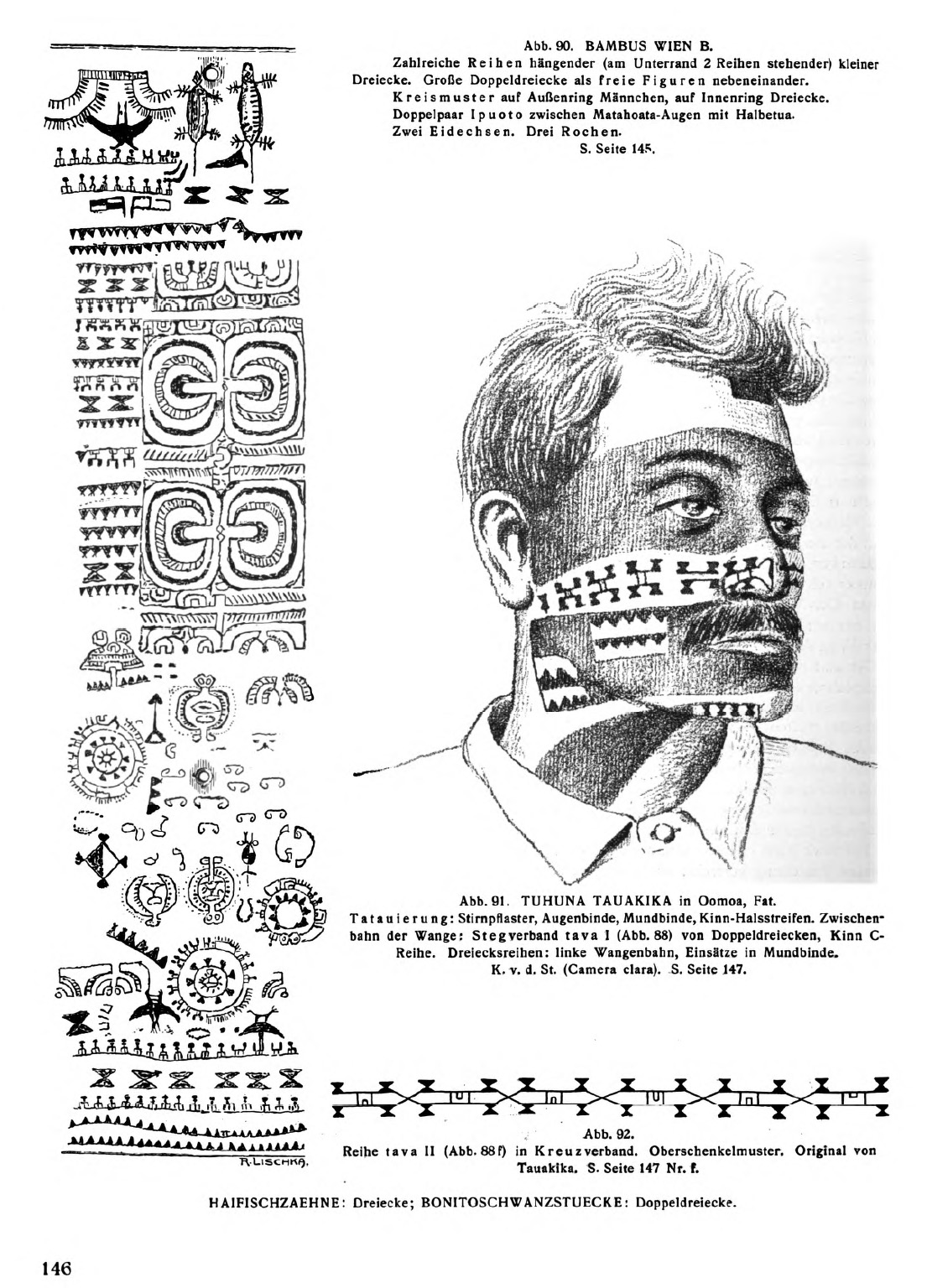
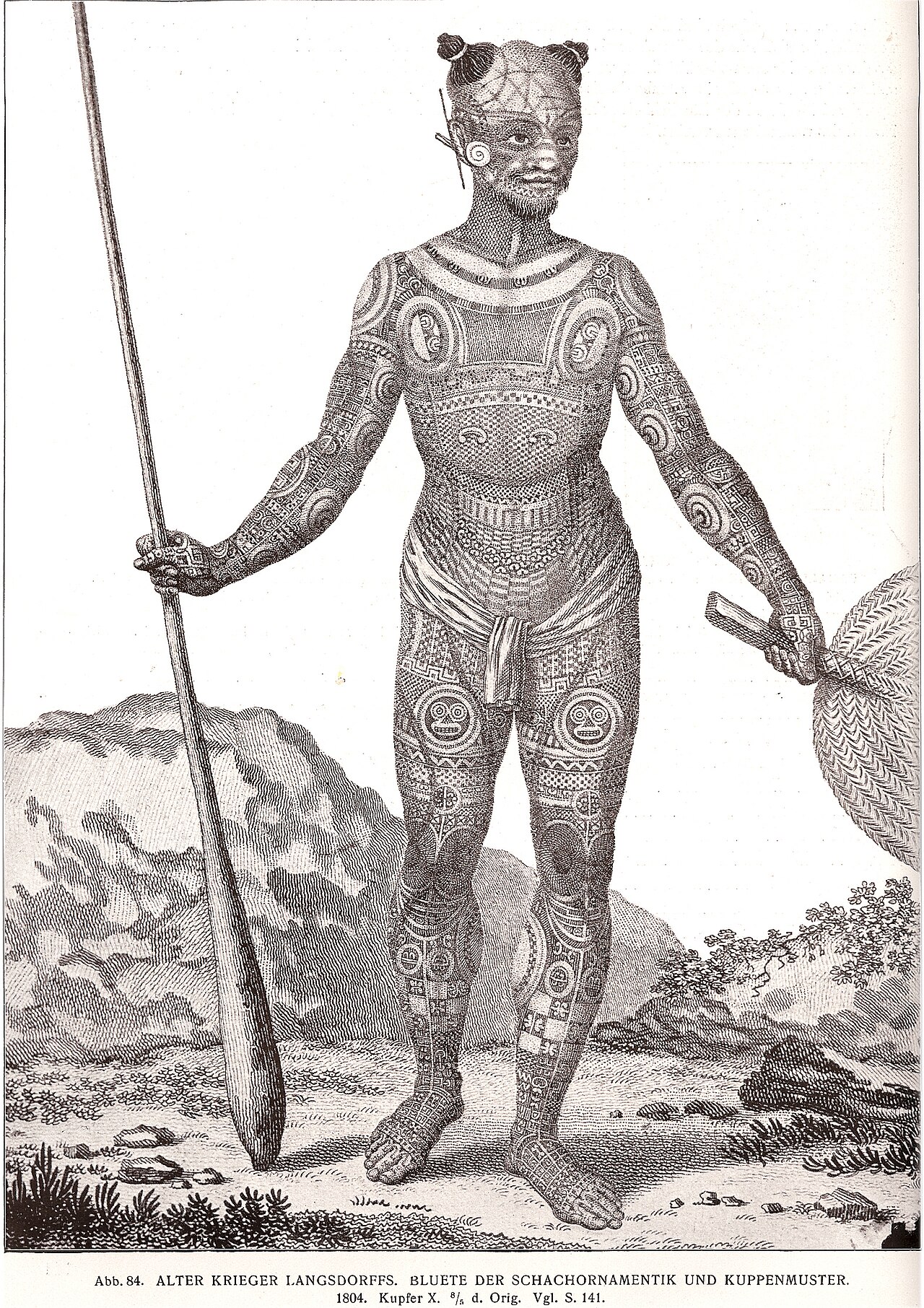
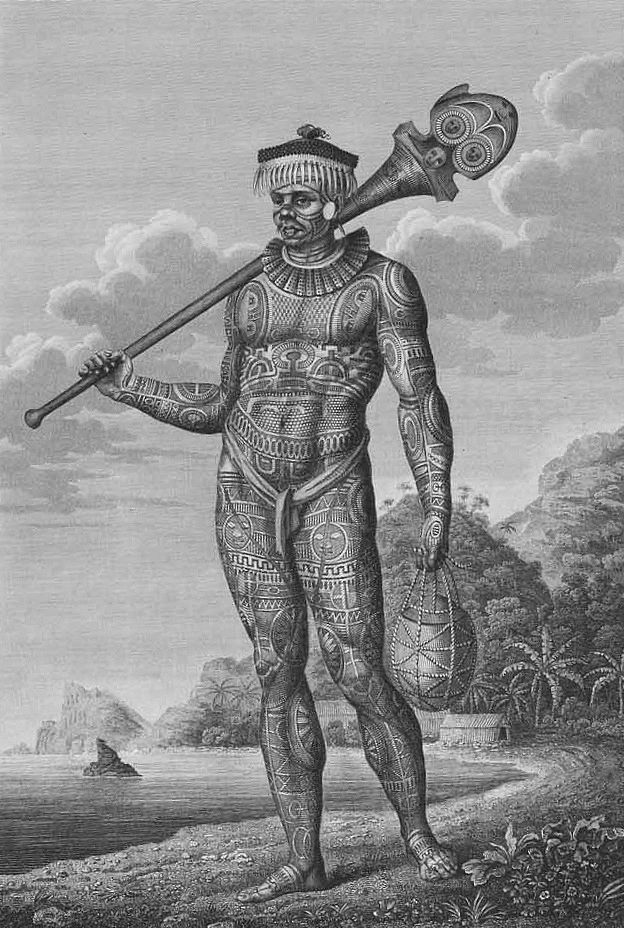
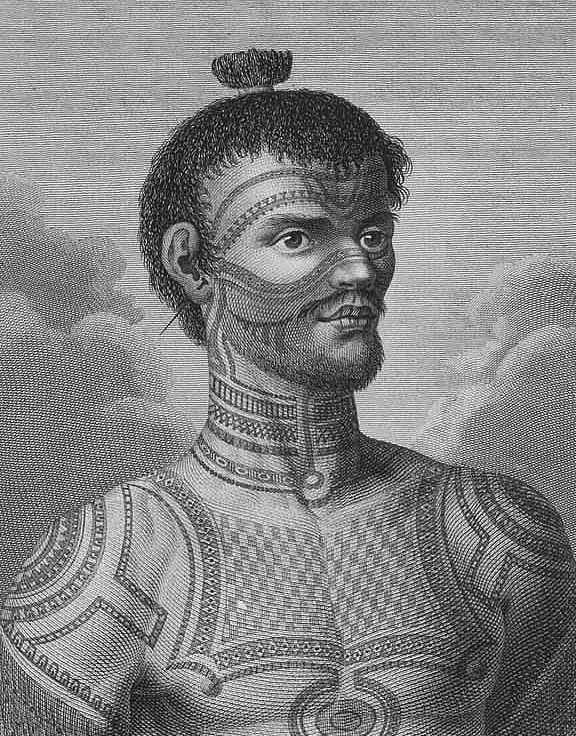
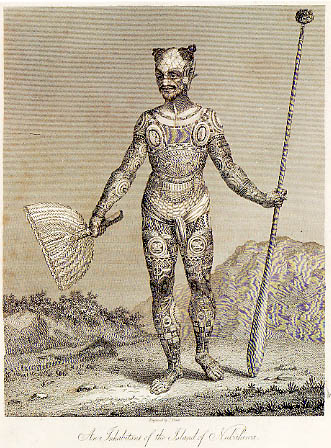
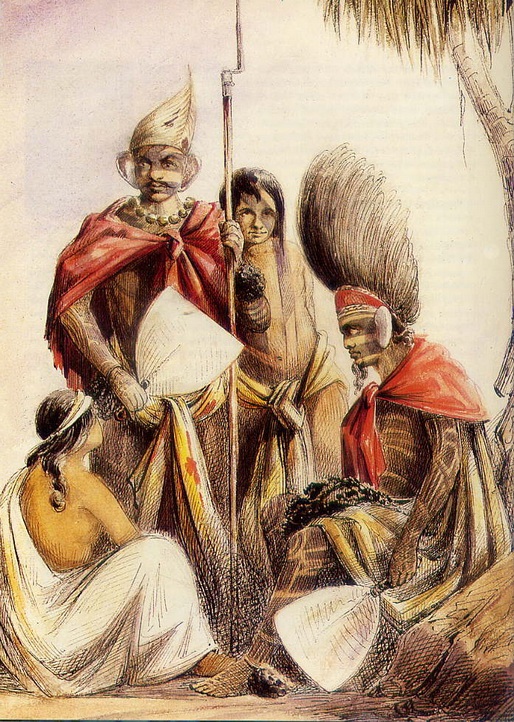
Documented in extraordinary detail by Karl von den Steinen in the 1890s, Marquesan patu tiki was outlawed under French colonial rule and briefly disappeared. The revival, led from the 1980s onward by artists such as Efraïma Pahuaivevau and the Marquesas Arts Festival, has restored patu tiki as the visual language of the modern Polynesian tattoo revival.
Typical placements
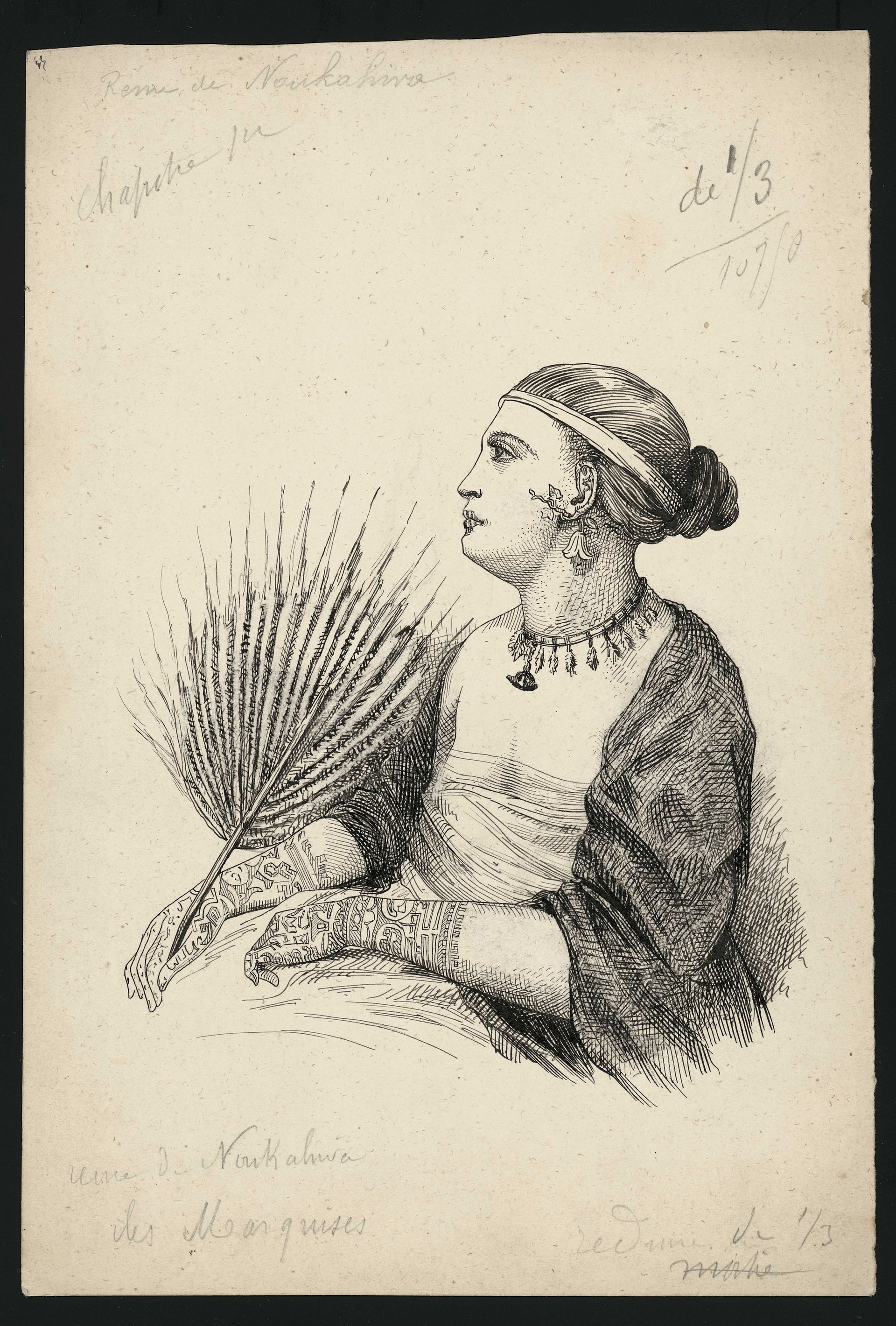
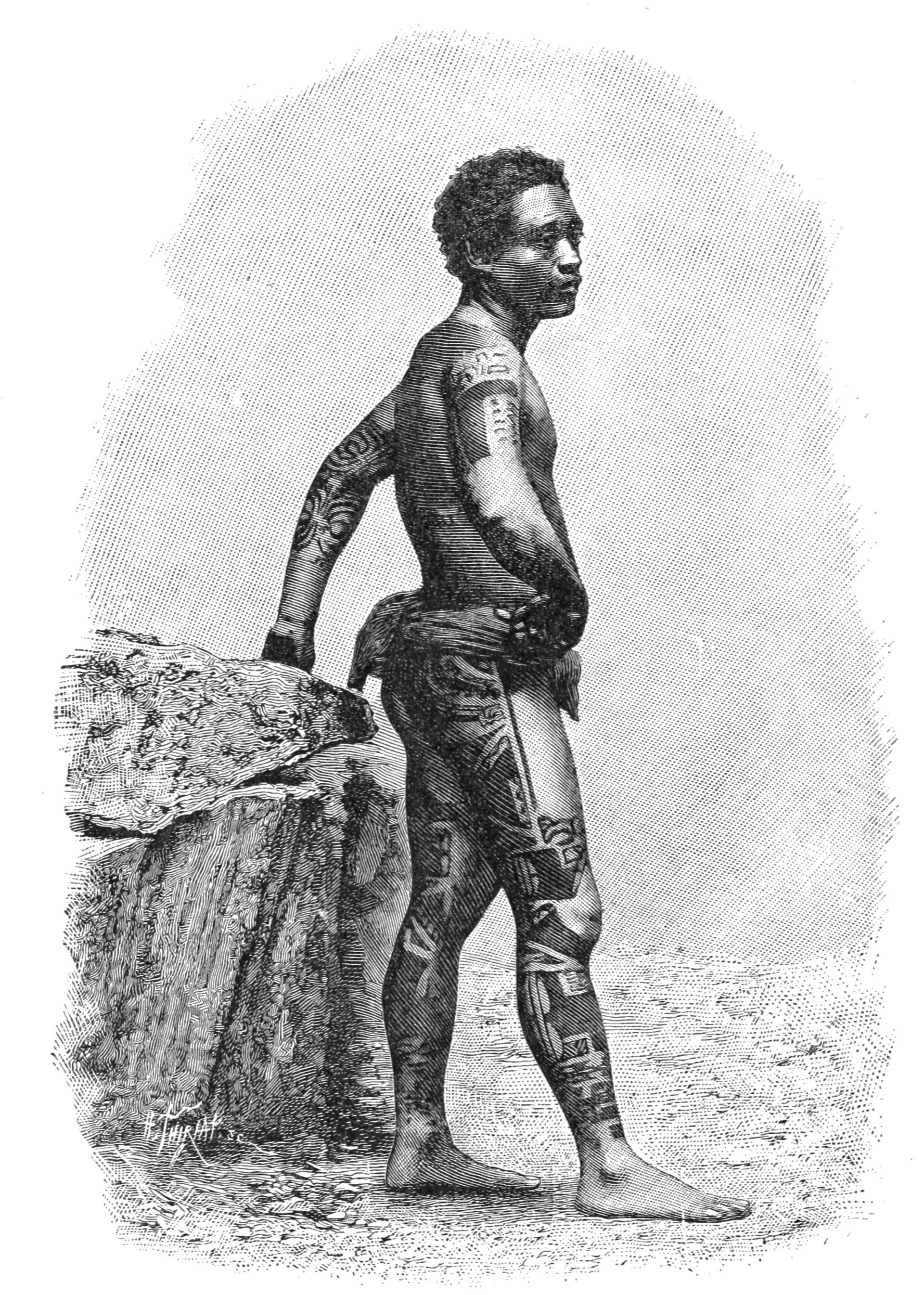
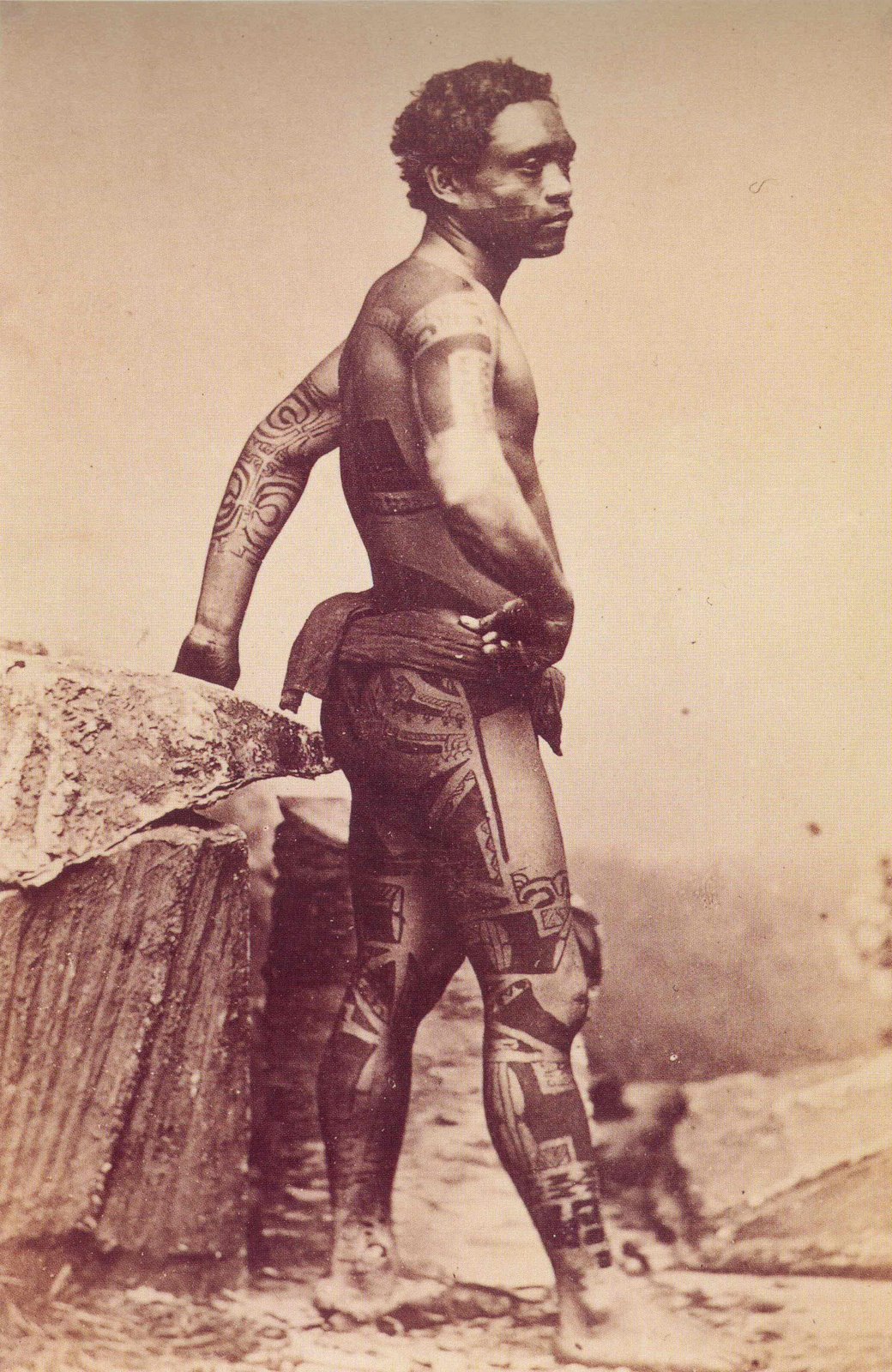
Full-body coverage historically; today common as chest plates, full sleeves, back panels, and thigh pieces.
Signature motifs
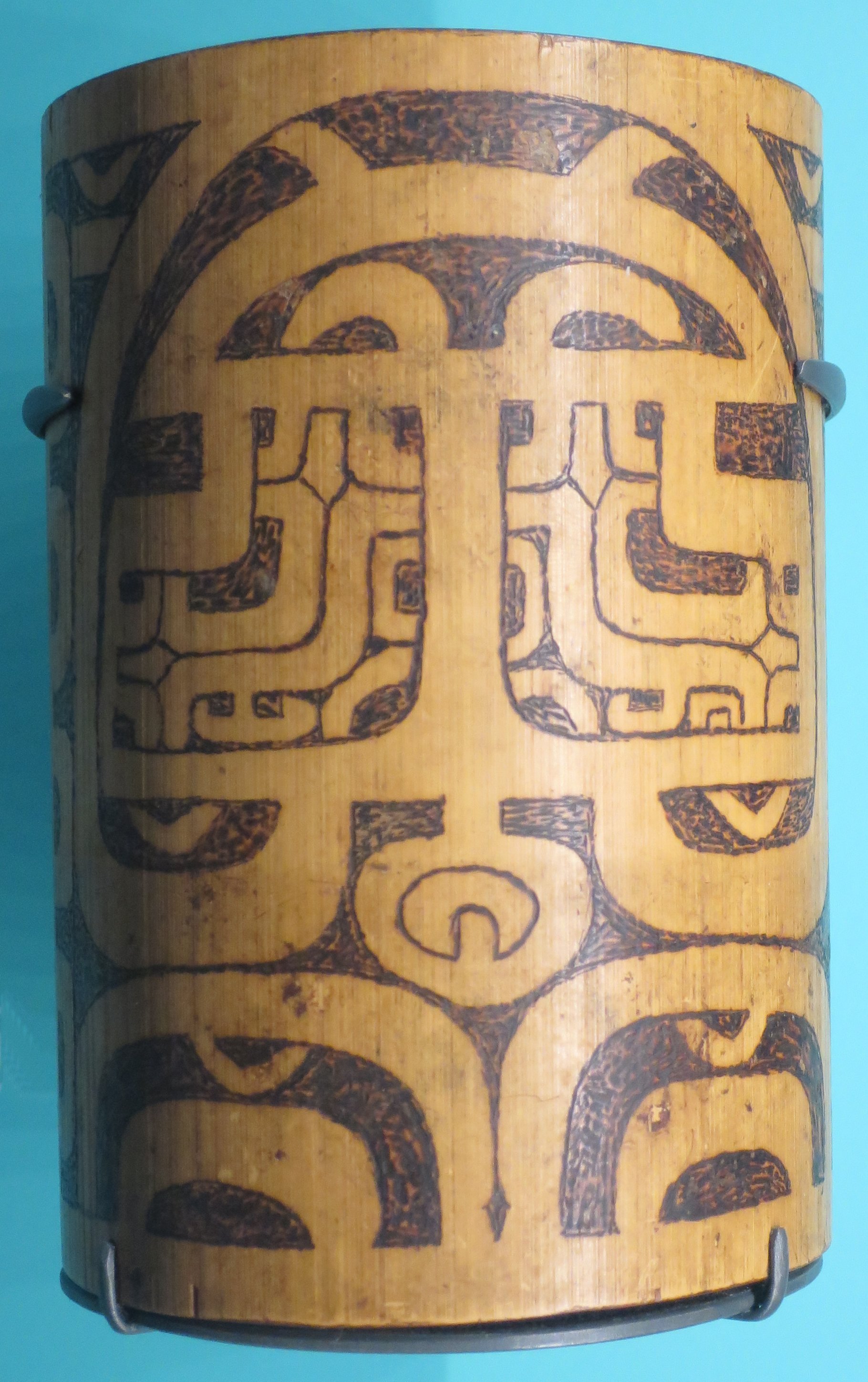
- Tiki — ancestral human/deity figure, often stacked
- Enata — small human forms in rows representing kin
- Mata hoata — 'shining eyes' of the ancestors
- Ipu — bowl / vessel of knowledge motifs
- Ani ata — sky bands of arched cloud forms
Sources
Tools, techniques & ceremonies
Documented from published ethnography and museum records.
Traditional Polynesian tattooing, including Marquesan, utilized a hand-tapping technique where a mallet gently struck a wooden handle attached to a small comb made of bone, shark tooth, or tortoiseshell to pierce the skin.
Source: Ponant, "Polynesian Tattoos: A History", escales.ponant.com, 2026-03-02
The ink used in traditional tattooing was made from candlenut soot, diluted in oil or water.
Source: Ponant, "Polynesian Tattoos: A History", escales.ponant.com, 2026-03-02
Tattooing in Polynesia, including the Marquesas, had a quasi-religious origin, with mythology suggesting humans learned tattooing from the Gods, giving it special status as a treasured family and cultural inheritance.
Source: Pitt Rivers Museum, "Polynesian tattooing tools", web.prm.ox.ac.uk, Unknown
Tattoos were not applied spontaneously but in a careful and ceremonial context by revered masters in the art, and it was believed that a person's mana (life force ) was expressed through their tattoos.
Source: Pitt Rivers Museum, "Polynesian tattooing tools", web.prm.ox.ac.uk, Unknown
Traditional Polynesian tattoos were an ancient custom used to signify rites of passage and milestones in life, often starting at puberty.
The process of tattooing could be very painful, and on the Marquesas Islands, artists might chant songs or soothe wounds between sittings with a hibiscus and banana ointment to alleviate discomfort.
Source: Pitt Rivers Museum, "Polynesian tattooing tools", web.prm.ox.ac.uk, Unknown
In some Polynesian cultures, high-ranking initiates were accompanied by a commoner who was tattooed simultaneously to share the pain.
Source: Pitt Rivers Museum, "Polynesian tattooing tools", web.prm.ox.ac.uk, Unknown
Colonial suppression & modern revival
Historical timeline with citations.
Tattooing was declared illegal by colonizers, the church, and the state in the Marquesas Islands in the early 1900s.
Missionaries in the late 18th century considered the traditional practice of Polynesian tattooing barbaric and quickly banned it.
Source: Ponant, "Polynesian Tattoos: A History", escales.ponant.com, 2024-10-24
The first Marquesan chief to embrace Catholicism in 1819 forbade people from making and wearing tattoos.
Source: The Rigneys' Great Adventure, "Marquesan", rigneyskandu.com, Unknown
The modern revival of tattooing in French Polynesia, including Marquesan tattoos, began in the 1980s.
Source: The Rigneys' Great Adventure, "Marquesan", rigneyskandu.com, Unknown
The revival of tattooing in Polynesia is part of a wider resurgence of Polynesian culture, including tapa making, weaving, carving, and dance, which also began in the early 1980s.
Source: Pitt Rivers Museum, "Polynesian tattooing tools", web.prm.ox.ac.uk, Unknown
Initially, traditional wooden and bone tools were used in the revival, but authorities banned them on health grounds in 1986, leading to the use of electric machines.
Source: Pitt Rivers Museum, "Polynesian tattooing tools", web.prm.ox.ac.uk, Unknown
The film "Patutiki: The Guardians of the Marquesan Tattoo" highlights how Marquesan people are rediscovering and celebrating their art form after its suppression.
Full cross-tradition reference: open the sourced reference guide.
Glossary terms
Definitions live in the design glossary.
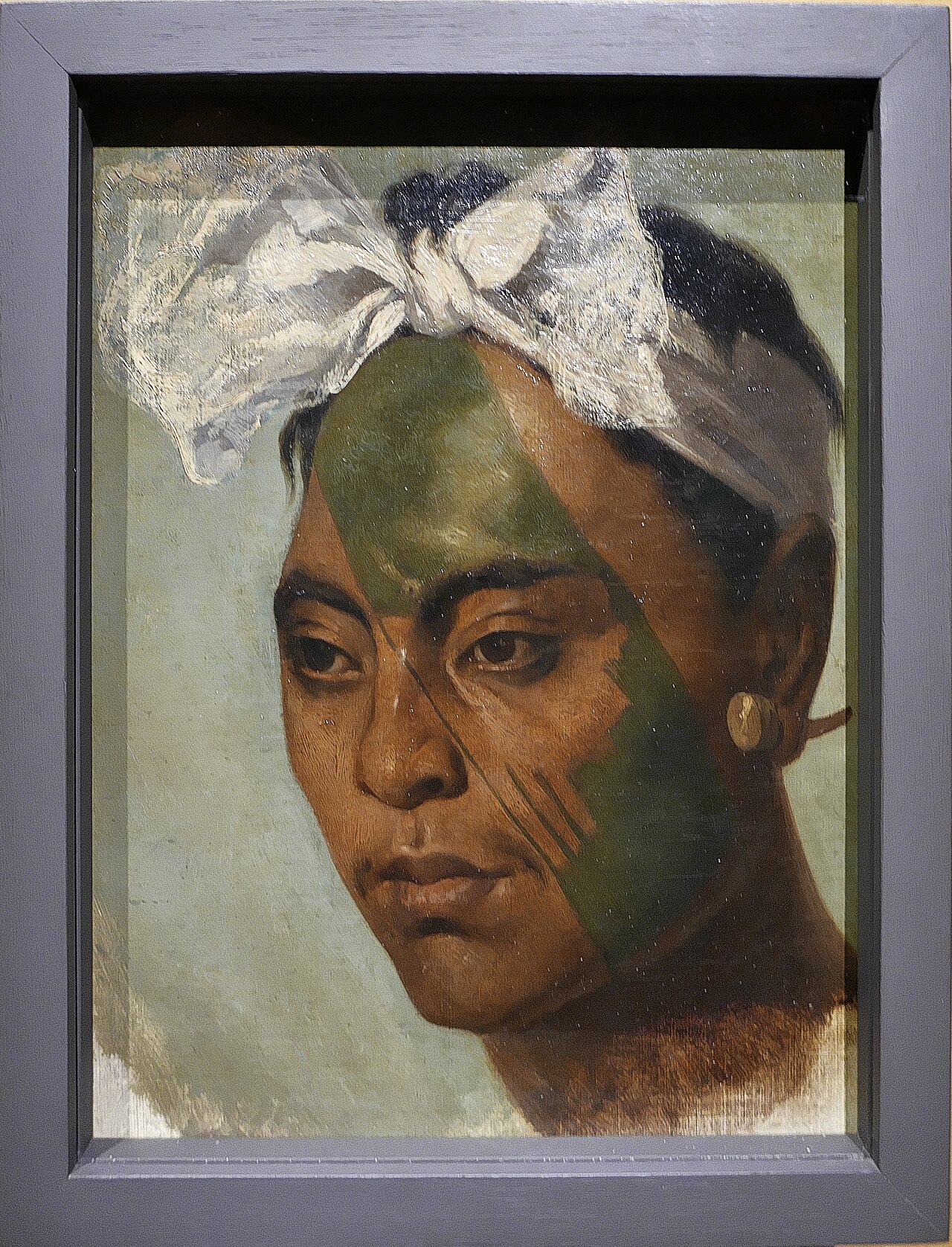
Marquesan gallery11 photos
Wikimedia Commons imagery filtered to Marquesan.
Frequently asked questions
What is a Marquesan tattoo?+
The densest, most figurative tattoo tradition in Polynesia — high-status Marquesans could be tattooed head to toe, faces included. The tradition is known as Patu Tiki and comes from Marquesas Islands · Eastern Polynesia.
What are the signature motifs of Marquesan tattoos?+
Signature Marquesan motifs include: Tiki — ancestral human/deity figure, often stacked; Enata — small human forms in rows representing kin; Mata hoata — 'shining eyes' of the ancestors; Ipu — bowl / vessel of knowledge motifs; Ani ata — sky bands of arched cloud forms.
Where on the body are Marquesan tattoos traditionally placed?+
Full-body coverage historically; today common as chest plates, full sleeves, back panels, and thigh pieces.
Related
Go deeper on Marquesan tattoos
Motif library →
See Marquesan motifs alongside symbols from every tradition.
Design glossary →
Marquesan vocabulary in context.
Placement guide →
How these designs sit on sleeves, chest, back and legs.
Artist directory →
Practitioners working in Marquesan tradition.
Meanings & symbols →
Long-form explainer covering every tradition.
Choosing an artist →
Consultation checklist and questions to ask.